

Comprehensive Pet Diagnostic Services
At our clinic, we offer a range of diagnostic services to help us understand your pet’s health and catch potential issues early. From imaging tools like X-rays and ultrasound to specialized assessments of heart and endocrine health, we provide the tools necessary to keep your pet healthy.
Radiology (X-Rays)
X-rays are a crucial tool for diagnosing health problems in pets. They provide valuable insights into various body systems, including the bones, lungs, gastrointestinal system, and heart. X-rays can help identify fractures, tumors, respiratory issues, and other conditions.
We offer digital radiology, which captures clearer images with less radiation than traditional film-based X-rays, allowing for quicker and safer diagnoses. In some cases, pets may need to be sedated or given short-acting anesthesia to stay still for the procedure. If you have any questions about our radiology service, feel free to ask!
Ultrasound
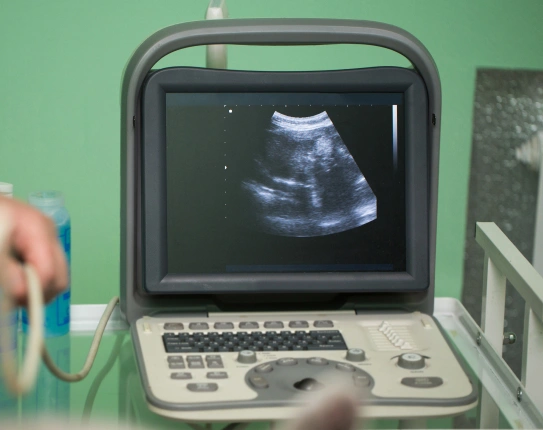
Ultrasound uses sound waves to create detailed images of your pet’s internal organs. It’s especially useful for examining the heart, liver, kidneys, gallbladder, and bladder. It helps detect conditions like tumors, fluid buildup, cysts, or abscesses.
This non-invasive procedure is pain-free and typically doesn’t require sedation, although it’s often recommended that the area to be examined be shaved for clearer images. Ultrasound can also be used to confirm or monitor pregnancy in pets. If you’re curious about what to expect during an ultrasound, we’re happy to explain the process in detail.
Cardiology
Heart problems can affect pets at any age, but early detection can prevent serious complications. We offer cardiology services to diagnose and manage heart disease in pets, which includes conditions like congestive heart failure (CHF), arrhythmias, and heartworm disease.
Signs of heart disease include coughing, fatigue, difficulty breathing, and swollen abdomen. Diagnostic tools such as electrocardiograms (ECGs), X-rays, and echocardiograms (ultrasound of the heart) help us assess heart function. Timely diagnosis can help manage symptoms and improve your pet's quality of life.

Endocrinology
Endocrine disorders, where the body’s hormone production is disrupted, are common in pets and can lead to conditions like diabetes, hypothyroidism, and Cushing’s disease. These disorders can be difficult to detect without proper diagnostic testing.
We diagnose endocrine issues using blood tests, urine tests, and ultrasound. Symptoms of endocrine disorders can include excessive panting, hair loss, weight changes, increased thirst, and frequent urination. Early detection is key, and we will work closely with you to create a personalized treatment plan for your pet.