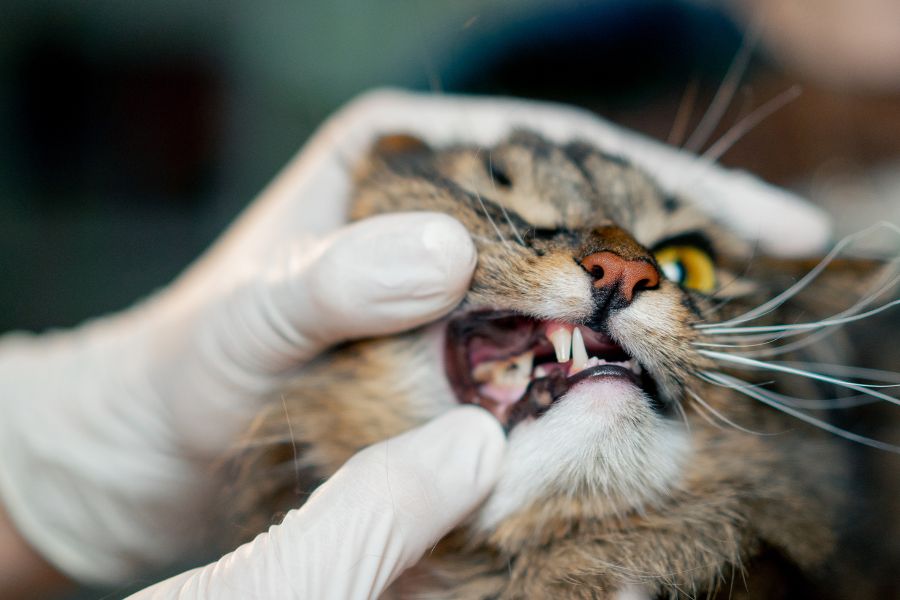

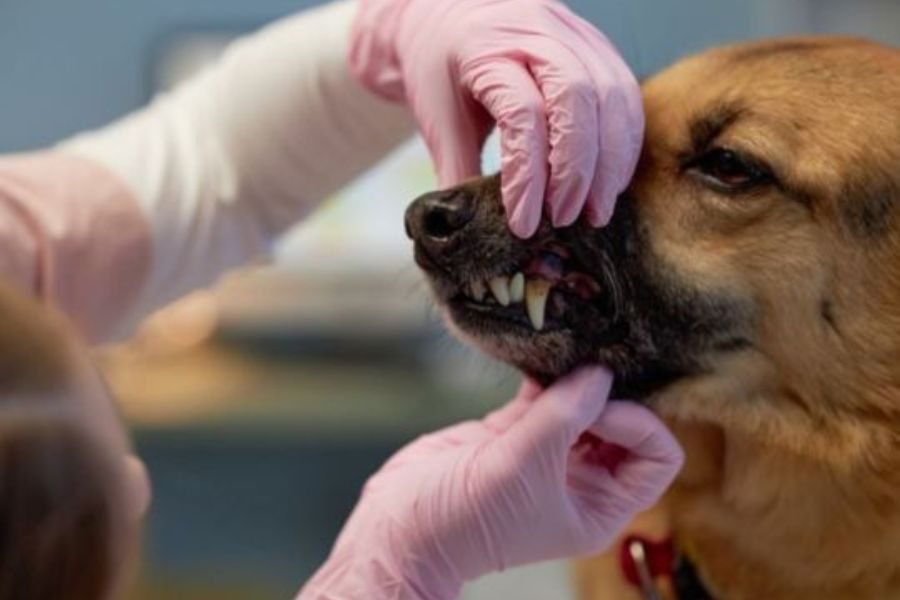
Dental disease in pets is one of the most common yet overlooked health issues affecting dogs and cats. Without proper dental care, plaque and bacteria can quickly lead to painful infections and serious health complications. In this guide, we’ll explore the causes, symptoms, and treatment options for dental disease in pets, along with practical tips to keep your pet’s teeth and gums healthy.
What Is Dental Disease in Pets?
Dental disease, often referred to as periodontal disease, is a condition that affects a pet’s teeth and gums. It begins with plaque buildup and can progress to inflammation, infection, and even tooth loss if left untreated.
By the age of three, nearly 70% of cats and 80% of dogs show signs of dental disease. This makes routine dental care a critical part of maintaining your pet’s overall health.
Dental disease doesn’t just stay in the mouth. Bacteria from infected gums can enter the bloodstream and affect vital organs such as the heart, liver, and kidneys.
Common Causes of Dental Disease in Pets
Understanding the causes can help you take preventive steps early. Here are the most common factors:
1. Plaque and Tartar Buildup
When food particles mix with bacteria, they form plaque. If not removed, plaque hardens into tartar, leading to gum irritation and infection.
2. Poor Dental Care Routine
Lack of regular brushing and professional cleanings increases the risk of dental disease.
3. Diet and Nutrition
Soft or sticky foods can cling to teeth, promoting plaque accumulation. Pets that lack proper chewing habits may also develop dental issues faster.
4. Breed and Genetics
Small dog breeds and certain cats are more prone to dental problems due to crowded teeth.
5. Age
Older pets are at a higher risk because dental issues accumulate over time.
Symptoms of Dental Disease in Pets
Recognizing early warning signs can help prevent severe complications. Watch for the following symptoms:
- Bad breath, often one of the first signs
- Yellow or brown tartar buildup on teeth
- Red, swollen, or bleeding gums
- Difficulty chewing or loss of appetite
- Excessive drooling
- Pawing at the mouth or face
- Loose or missing teeth
If your pet shows any of these signs, it’s important to seek veterinary attention promptly. Early intervention can make treatment simpler and less expensive.
Stages of Periodontal Disease
Dental disease progresses in stages, each requiring different levels of treatment:
Stage 1: Gingivitis
- Mild gum inflammation
- Reversible with proper dental care and cleaning
Stage 2: Early Periodontitis
- Plaque begins to affect structures below the gumline
- Minor bone loss may occur
Stage 3: Moderate Periodontitis
- Significant tartar buildup
- Gum recession and noticeable discomfort
Stage 4: Advanced Periodontitis
- Severe infection
- Tooth loss and possible damage to surrounding tissues
Understanding these stages highlights why routine dental checkups are essential for early detection.
Why Dental Care Is Essential for Pets
Proper dental care does more than keep your pet’s breath fresh. It plays a vital role in their overall well-being.
Key Benefits of Dental Care:
- Prevents pain and discomfort
- Reduces the risk of tooth loss
- Protects internal organs from infection
- Improves appetite and nutrition
- Enhances quality of life
Neglecting dental health can lead to chronic pain that pets often hide, making regular monitoring even more important.
Diagnosis of Dental Disease
Veterinarians use a combination of physical exams and diagnostic tools to assess dental health:
- Oral examination to check for visible signs
- Dental X-rays to detect issues below the gumline
- Evaluation of gum health and tooth stability
Many pets require sedation for a thorough exam, ensuring accurate diagnosis and safe treatment planning.
Treatment Options for Dental Disease in Pets
The right treatment depends on the severity of the condition. Here are the most common approaches:
1. Professional Dental Cleaning
This is the foundation of treatment. It involves:
- Scaling to remove plaque and tartar
- Polishing to smooth tooth surfaces
- Cleaning below the gumline
2. Tooth Extractions
Severely damaged or infected teeth may need to be removed to prevent further complications.
3. Antibiotics and Medications
Used to control infection and reduce inflammation.
4. Advanced Dental Procedures
In some cases, pets may require:
- Root canals
- Gum surgery
- Treatment for oral tumors
Timely treatment not only relieves pain but also prevents the spread of infection to other parts of the body.
At-Home Dental Care Tips for Pets
Preventive dental care at home is key to reducing the risk of disease. Here are practical tips every pet owner should follow:
Daily or Weekly Brushing
- Use pet-specific toothpaste
- Start slowly and build a routine
- Focus on the outer surfaces of teeth
Dental Chews and Toys
- Help reduce plaque buildup
- Encourage natural chewing behavior
Balanced Diet
- Choose foods that support dental health
- Avoid excessive soft treats
Water Additives
- Can help control bacteria in the mouth
Routine Vet Visits
- Schedule regular dental checkups
- Follow professional cleaning recommendations
Consistency is the most important factor. Even small efforts can make a big difference over time.
How Often Should Pets Get Dental Cleanings?
The frequency of professional cleanings depends on your pet’s age, breed, and overall health.
General guidelines:
- Most pets benefit from annual dental exams
- Some may need cleanings every 6 to 12 months
- High-risk breeds may require more frequent care
Your veterinarian will create a personalized plan based on your pet’s needs.
Preventing Dental Disease in Pets
Prevention is always better than treatment. A proactive approach to dental care can help your pet avoid pain and costly procedures.
Preventive Measures:
- Start dental care early in life
- Maintain a consistent brushing routine
- Provide dental-friendly treats and toys
- Monitor for early signs of disease
- Schedule regular veterinary checkups
Building these habits early ensures long-term oral health and overall wellness.
Dental disease in pets is a serious but preventable condition. With proper wellness care, regular checkups, and early intervention, you can protect your pet from pain and long-term health issues. Paying attention to your pet’s oral health not only improves their quality of life but also supports their overall well-being.
If you’re concerned about your pet’s dental health or want to schedule a professional cleaning, contact The Highlands Veterinary Hospital in Sparta, NJ, today to ensure your pet receives expert care and attention.
FAQs
Q1: How can I tell if my pet has dental disease?
Ans: Bad breath, swollen gums, and difficulty eating are common signs that your pet may need dental care.
Q2: How often should I brush my pet’s teeth?
Ans: Daily brushing is ideal, but even a few times a week can significantly improve dental health.
Q3: Is dental cleaning safe for pets?
Ans: Yes, professional dental cleanings are safe when performed by a veterinarian using proper protocols.
Q4: Can dental disease affect my pet’s overall health?
Ans: Yes, untreated dental disease can lead to infections that impact the heart, liver, and kidneys.
Q5: What is the best way to maintain dental care at home?
Ans: Regular brushing, dental chews, and routine vet visits are the most effective ways to maintain your pet’s oral health.