

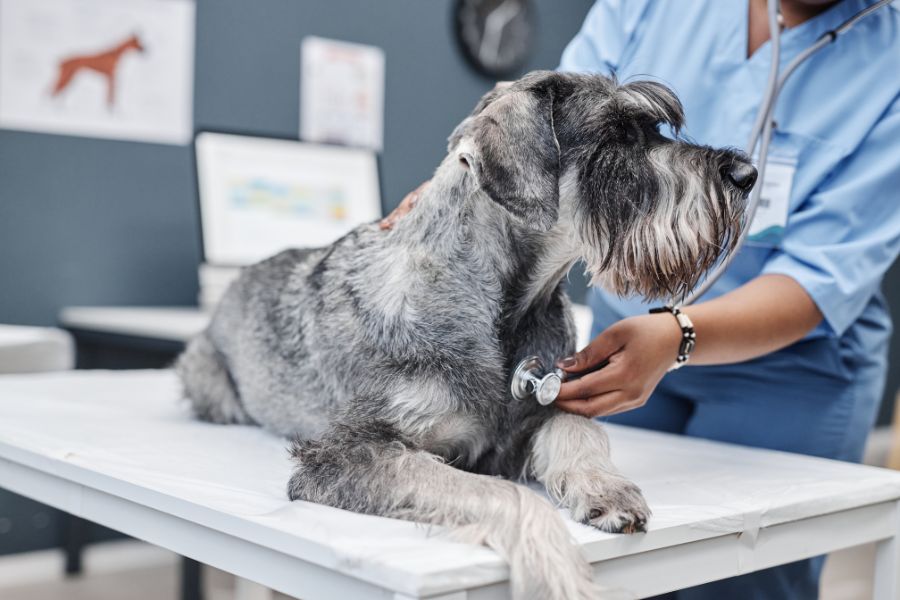
Every pet owner wants more happy, healthy years with their furry companion. Preventive care is one of the best ways to help pets live longer by catching health issues early, reducing disease risks, and supporting overall wellness. In this guide, you’ll learn why preventive care matters, what it includes, and how routine veterinary visits can add quality years to your pet’s life.
What Is Preventive Care for Pets
Preventive care means taking steps to protect your pet’s health before problems become serious. Instead of waiting until your dog or cat gets sick, preventive care focuses on regular checkups, vaccinations, parasite control, dental care, nutrition, and early screenings.
Just like annual wellness exams help people stay healthy, pets also benefit from consistent medical attention throughout every life stage.
Common preventive care services include:
- Annual or semi-annual wellness exams
- Vaccinations
- Flea, tick, and heartworm prevention
- Dental cleanings and oral exams
- Bloodwork and diagnostic screenings
- Weight management support
- Nutrition counseling
- Senior pet health monitoring
Why Preventive Care Helps Pets Live Longer
Many diseases in pets develop slowly and may not show obvious symptoms at first. By the time signs appear, treatment can be more complex and costly. Preventive care allows veterinarians to detect changes early and start treatment sooner.
Key Benefits of Preventive Care
1. Early Disease Detection
Routine exams can uncover:
- Kidney disease
- Diabetes
- Arthritis
- Dental infections
- Thyroid disorders
- Heart disease
- Cancerous growths
Early diagnosis often means better outcomes and a higher quality of life.
2. Protection From Serious Illness
Vaccines help shield pets from dangerous diseases such as:
- Rabies
- Distemper
- Parvovirus
- Bordetella
- Feline leukemia
- Panleukopenia
These illnesses can be severe, expensive to treat, or life-threatening.
3. Better Weight Control
Obesity is one of the most common health problems in pets. Excess weight increases the risk of:
- Joint pain
- Diabetes
- Heart strain
- Reduced mobility
- Shortened lifespan
Preventive care visits often include weight checks and personalized feeding guidance.
4. Improved Comfort and Mobility
As pets age, joint stiffness and pain can develop gradually. Preventive exams help identify early arthritis and mobility concerns so treatment can begin before discomfort worsens.
The Importance of Regular Wellness Exams
A wellness exam is much more than a quick checkup. During the visit, your veterinarian may evaluate:
- Heart and lung function
- Teeth and gums
- Eyes and ears
- Skin and coat condition
- Weight and body condition
- Joint movement
- Abdomen and internal organs
- Behavior changes
These visits also give pet owners the chance to ask questions about diet, training, lifestyle, and home care.
How Often Should Pets Have Exams
Most healthy adult pets should see the vet once a year. Puppies, kittens, senior pets, and animals with chronic conditions may need more frequent visits.
General guidelines:
- Puppies and kittens: Every few weeks during the vaccine series
- Adult pets: Annually
- Senior pets: Every 6 months
- Pets with medical needs: As recommended
Preventive Dental Care Matters More Than You Think
Dental disease affects many pets by age three. Bad breath is often the first clue, but dental disease can also lead to pain, tooth loss, and bacteria entering the bloodstream.
Signs your pet may need dental care:
- Bad breath
- Red gums
- Difficulty chewing
- Drooling
- Loose teeth
- Pawing at the mouth
Preventive dental care may include:
- Professional cleanings
- Dental X-rays
- At-home brushing
- Dental chews approved by your veterinarian
Healthy teeth support whole-body health.
Parasite Prevention Protects the Whole Family
Fleas, ticks, mosquitoes, and intestinal parasites can cause serious illness in pets. Some parasites can also affect people.
Preventive care plans often include year-round protection against:
- Heartworms
- Fleas
- Ticks
- Roundworms
- Hookworms
Even indoor pets can be exposed, so prevention remains important.
Nutrition as Preventive Care
Food is medicine when chosen wisely. The right diet supports:
- Healthy weight
- Strong muscles
- Better digestion
- Skin and coat health
- Energy levels
- Immune health
Your veterinarian may recommend different diets based on age, breed, activity level, or medical needs.
Examples:
- Puppy formulas for growth
- Adult maintenance diets
- Senior formulas for aging pets
- Prescription diets for kidney disease or allergies
Senior Pets Need Extra Preventive Care
Pets age faster than humans, so health changes can happen quickly. A seven-year-old dog may already be entering senior years, depending on breed.
Senior preventive care often includes:
- Blood pressure checks
- Blood and urine testing
- Arthritis screening
- Cognitive health evaluation
- Vision and hearing monitoring
- Pain management plans
Catching age-related conditions early can make a major difference.
Signs Your Pet May Need a Checkup Soon
Do not wait for the annual visit if you notice:
- Reduced appetite
- Drinking more water
- Weight changes
- Vomiting or diarrhea
- Limping
- Lethargy
- Bad breath
- New lumps or bumps
- Behavior changes
These signs can point to developing health issues.
How Preventive Care Saves Money Over Time
Many owners delay vet visits because of cost concerns. However, preventive care is usually far less expensive than emergency treatment.
For example:
- Preventing heartworm disease costs less than treatment
- Dental cleaning costs less than tooth extractions
- Early diabetes diagnosis is easier to manage than advanced illness
- Regular exams can prevent emergency hospitalization
Consistent care protects both your pet and your budget.
How to Build a Preventive Care Routine at Home
Along with veterinary visits, daily habits matter.
Simple At-Home Preventive Steps
- Feed balanced meals in proper portions
- Keep fresh water available
- Provide daily exercise
- Brush teeth regularly
- Use parasite prevention as directed
- Watch for behavior or appetite changes
- Keep vaccines current
- Schedule routine exams
Preventive care is one of the smartest investments you can make in your pet’s future. Routine exams, vaccines, dental care, parasite prevention, and healthy nutrition all work together to support a longer, happier life. If you want to give your companion the best care possible, schedule a wellness visit with The Highlands Veterinary Hospital in Sparta, NJ, today.
FAQs
Q1: What is preventive care for pets?
Ans: Preventive care includes routine veterinary services like wellness exams, vaccines, dental care, screenings, and parasite prevention to keep pets healthy and detect issues early.
Q2: How often should pets get preventive care checkups?
Ans: Most adult pets need yearly exams, while puppies, kittens, and senior pets may need visits every six months or more often.
Q3: Does preventive care really help pets live longer?
Ans: Yes, preventive care can improve lifespan by preventing disease, catching illnesses early, and supporting better overall health.
Q4: Is preventive care expensive?
Ans: Preventive care is usually more affordable than emergency treatment or managing advanced disease later.
Q5: What are the most important parts of preventive care?
Ans: Core parts include wellness exams, vaccinations, dental care, parasite prevention, nutrition, and regular health screenings.
