

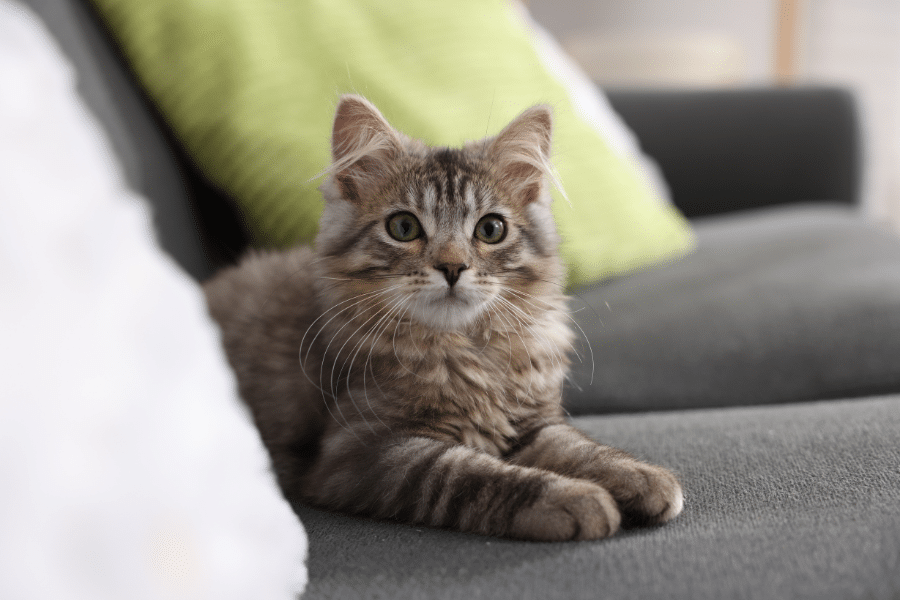
Cats can learn names, routines, tricks, carrier skills, and many other useful behaviors. Still, some cats seem much less interested in following instructions than others. When people search for the hardest cat breeds to train, they are often looking for an explanation for behaviors such as ignoring cues, resisting handling, or losing interest quickly. Breed can influence temperament, but it does not determine how trainable an individual cat will be. At The Highlands Veterinary Hospital, Sparta, NJ, veterinary guidance can help when behavior changes or training difficulties may be linked to an underlying health concern. This guide looks at breed tendencies, individual personality, common training challenges, and practical ways to make learning easier for your cat.
Which Cat Breeds Are Hardest to Train?
Some cat breeds may be more challenging to train because they tend to be independent, cautious, less food-motivated, or easily distracted. However, no cat breed is truly untrainable, and individual personality often matters more than breed.
Breeds that may sometimes be described as challenging include:
- Persian
- British Shorthair
- Ragdoll
- Maine Coon
- Some independent mixed-breed cats
These descriptions should not be treated as strict rules. A cat’s early experiences, environment, age, motivation, health, and relationship with its owner can all affect learning.
A cat that does not perform a behavior on command may not be stubborn. It may not understand the cue, may not value the reward, or may simply be uncomfortable with the situation.
Why Are Some Cats More Difficult to Train?
Cats do not automatically see training as something they need to do. They tend to repeat behaviors that provide a useful or enjoyable result.
Some cats are highly motivated by food. Others respond better to play, attention, access to a favorite spot, or another reward.
Training can become difficult when:
- Sessions are too long.
- Rewards are not interesting to the cat.
- The environment has too many distractions.
- The owner changes the cue or rules.
- The behavior is too difficult at the beginning.
- The cat is stressed or uncomfortable.
- A physical health problem affects behavior.
A cat that walks away from a training session may simply be finished. Continuing to push can create frustration for both the cat and owner.
Short, successful sessions usually work better than long sessions that end in conflict.
Are Independent Cat Breeds Harder to Train?
Independent cats may not be as eager to repeat behaviors for human approval, which can make traditional training seem more difficult. However, independence does not mean a cat cannot learn.
British Shorthairs, for example, may be content to observe rather than constantly seek attention. Persian cats may prefer calm interactions. Ragdolls can be relaxed and affectionate while still having their own preferences.
Maine Coons are often interactive and curious, but individual cats can vary widely.
Breed characteristics can provide a general starting point, but they should never replace observation of the individual cat. Two kittens from the same breed can have completely different responses to training.
The most useful question is often not which breed is hardest to train, but what motivates your specific cat.
How Can You Tell If Your Cat Is Struggling With Training?
Difficulty learning a behavior is different from a sudden behavior change. If your cat has always ignored certain cues, the issue may simply be motivation or training technique. A sudden change deserves more attention.
Watch for:
- Suddenly avoiding handling
- New aggression
- Increased hiding
- Refusing favorite treats
- Reluctance to jump
- Changes in litter box habits
- Unusual vocalization
- Reduced activity
These signs can sometimes point to pain or illness rather than a training problem.
For example, a cat that suddenly refuses to enter a carrier may have learned to associate it with stressful trips. However, if the cat also stops jumping onto furniture or becomes less active, physical discomfort should be considered.
What Is the Best Way to Train a Difficult Cat?
Positive reinforcement is generally the most useful approach for cat training. Reward the behavior you want instead of punishing the behavior you do not want.
Start with something your cat can accomplish easily. Once the behavior becomes reliable, gradually increase the challenge.
A simple approach is:
- Choose one behavior.
- Pick a reward your cat values.
- Use a consistent cue.
- Reward the desired behavior immediately.
- Keep the session short.
- End while your cat is still engaged.
- Practice regularly.
Avoid yelling or physically correcting your cat. Punishment can create fear and make your cat less willing to interact with you.
Carrier training is a good example. Instead of waiting until an appointment day to bring out the carrier, leave it in a familiar area and reward calm exploration. Over time, the carrier can become less threatening.
Can a Cat’s Health Affect Training?
Yes. Health problems can change how a cat behaves, moves, eats, sleeps, and responds to people. Pain can also make certain activities less appealing.
A cat with joint discomfort may resist jumping. Dental problems may reduce interest in food rewards. Illness can lead to fatigue or changes in normal social behavior.
One realistic example is an adult cat that previously enjoyed clicker training but suddenly begins walking away from sessions. The owner also notices that the cat is sleeping more and no longer jumps onto a favorite chair. During a veterinary examination, the veterinarian looks for possible physical causes instead of assuming the cat has simply become difficult.
This is why sudden behavior changes deserve a health check before owners focus entirely on training techniques.
How Can You Make Training Easier for Your Cat?
The environment matters almost as much as the training itself. A noisy room, another pet, or an uncomfortable surface can make it harder for your cat to focus.
Try these strategies:
- Train in a quiet area
- Use small rewards
- Keep sessions brief
- Work on one behavior at a time
- Reward quickly
- Use consistent cues
- Give your cat breaks
- Stop if your cat becomes stressed
Some cats prefer treats, while others respond better to toys or play. Experiment carefully to find what motivates your individual pet.
Training should feel like a cooperative activity rather than a battle of wills.
When Should You Talk to a Veterinarian About Behavior?
Talk to a veterinarian when your cat’s behavior changes suddenly, becomes aggressive, or occurs with physical symptoms. A health issue may be contributing to what appears to be a behavior problem.
Veterinary attention is especially important if your cat:
- Suddenly becomes withdrawn
- Stops eating
- Hides much more than usual
- Stops using the litter box
- Shows signs of pain
- Stops jumping or climbing
- Becomes unusually aggressive
- Develops sudden destructive behavior
Once medical causes are considered, your veterinarian can help determine whether additional behavior support may be appropriate.
Conclusion
The idea of the hardest cat breeds to train can be useful for understanding general temperament, but breed alone cannot predict how an individual cat will learn. Some cats may be more independent or less motivated by traditional rewards, while others may be eager participants. Training works best when it is short, positive, consistent, and built around your cat’s individual preferences.
If you are looking for a vet near you, The Highlands Veterinary Hospital in Sparta, NJ, can help when behavior changes seem unusual or may be connected to a health concern. Patience and realistic expectations can make training much easier. Instead of trying to force a cat to obey, focus on creating a reward system that makes the behavior worth repeating.
FAQs
Q1: Which cat breeds are hardest to train?
A: Some independent breeds may appear more challenging, but breed does not determine trainability. Personality, motivation, age, health, and past experiences can have a major influence.
Q2: Are cats harder to train than dogs?
A: Cats can learn many behaviors, but they often respond differently to training. They usually need rewards that are meaningful to them and shorter, more flexible sessions.
Q3: How do I train a cat that ignores me?
A: Start with a simple behavior and use a reward your cat values. Keep sessions short and reward the desired behavior immediately.
Q4: How long does cat training take?
A: The timeline varies by cat and behavior. Simple behaviors may improve quickly, while carrier training or behavior changes can take more consistent practice.
Q5: When should I take my cat to the vet for a behavior change?
A: Sudden aggression, hiding, appetite changes, litter box problems, reduced activity, or signs of pain should be discussed with a veterinarian because health problems can affect behavior.