

When your pet suddenly starts vomiting, limping, refusing food, or acting unlike themselves, it can be hard to know what to do next. Some health concerns can wait for a planned appointment, while others need prompt attention from a veterinarian. An urgent veterinary visit helps your pet receive timely assessment when a new or worsening problem cannot comfortably wait for a routine appointment. Knowing what happens during the visit can make the experience less stressful for both of you. At The Highlands Veterinary Hospital in Sparta, NJ, pet owners can turn to a veterinary team for guidance when an unexpected health concern arises. Here is what you can expect and how to prepare.
What Happens During an Urgent Veterinary Visit?
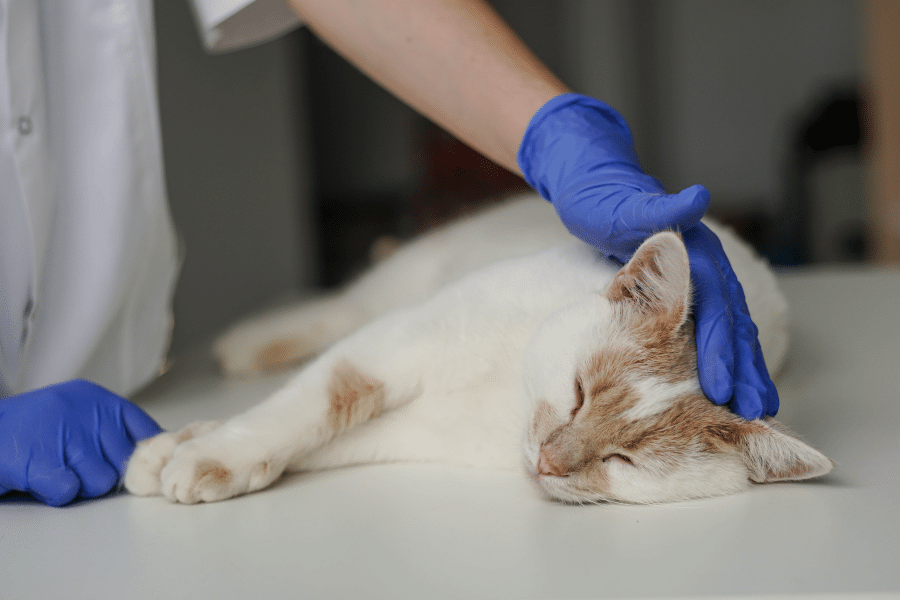
During an urgent veterinary visit, a veterinarian assesses your pet’s current symptoms, checks their overall condition, and recommends the next steps based on what they find. The visit may include a physical examination, diagnostic testing, and treatment to help address the problem.
The exact process depends on your pet’s symptoms, medical history, and condition when they arrive. A pet with sudden vomiting may need a different assessment from one with a painful leg or a new skin problem.
In general, the appointment may include:
- Initial discussion: You explain what happened, when the symptoms began, and whether they have changed.
- Physical examination: The veterinarian checks your pet’s body and looks for signs of pain, swelling, dehydration, or other concerns.
- Diagnostic testing: Blood work, imaging, or other tests may help identify the cause.
- Treatment planning: Your veterinarian explains the recommended care and what you should watch for at home.
The goal is to understand what is happening and make a suitable care plan. If your pet needs testing or treatment beyond what can be provided during the appointment, the veterinary team can explain the available next steps.
Which Signs Mean Your Pet May Need Urgent Veterinary Care?
A sudden change in your pet’s behavior or physical condition deserves attention, especially when it continues or becomes worse. Pets cannot explain where they hurt, so changes in eating, movement, breathing, or normal habits can provide important clues.
Contact your veterinarian if you notice:
- Repeated vomiting or diarrhea
- Sudden limping or difficulty walking
- A new swelling or painful area
- Refusal to eat or drink
- Unusual tiredness or weakness
- Persistent coughing or changes in breathing
- Difficulty urinating or passing stool
- A sudden change in behavior, such as hiding or unusual restlessness
- A wound, bite, or injury that needs assessment
Some signs need immediate attention rather than a scheduled urgent appointment. Examples include severe trouble breathing, collapse, uncontrolled bleeding, seizures, or suspected poisoning. Contact an appropriate emergency veterinary facility immediately if these occur.
Keep in mind that one symptom can have several possible causes. Vomiting, for example, may follow a minor stomach upset, but it can also be linked to a more serious condition. A veterinarian can help determine how quickly your pet needs care.
How Does a Veterinarian Assess and Treat a Sudden Health Problem?
A veterinarian begins by gathering information about your pet and performing an examination. The findings help determine whether additional testing is needed and which treatment options may be appropriate.
Depending on the concern, an assessment may involve:
- Checking your pet’s temperature, heart rate, and breathing
- Examining the eyes, ears, mouth, skin, and abdomen
- Evaluating movement and joint comfort
- Looking for signs of dehydration or pain
- Reviewing current medications and medical history
- Recommending blood tests, X-rays, or other diagnostic procedures
Diagnostic testing helps a veterinarian look beyond visible symptoms. For example, blood work may provide information about organ function, while X-rays can help assess certain injuries or internal concerns. Not every pet needs every test. Your veterinarian will explain why a particular test may be useful.
Treatment also varies. It may involve medication, wound care, fluids, dietary guidance, or a plan for further evaluation. Your veterinarian should explain how to give any prescribed medication and what changes to monitor.
Hypothetical case study: Imagine a dog named Milo who suddenly begins limping after playing in the yard. His owner notices that he avoids putting weight on one back leg. During the appointment, the veterinarian examines his paw and leg, checks for swelling and tenderness, and recommends imaging based on the examination. The findings help guide a treatment plan and home-care instructions.
This example shows why sharing small details matters. Telling your veterinarian when the problem began and what your pet was doing beforehand can help guide the assessment.
How Can You Prepare for an Urgent Veterinary Appointment?
A little preparation can help the veterinary team understand your pet’s condition more quickly. You do not need to know what is causing the problem. Your observations are often the most useful starting point.
Before leaving home, try to gather:
- A symptom timeline: Note when the problem started and whether it has changed.
- Relevant medical records: Bring details about previous illnesses, procedures, and current medications.
- Photos or videos: A short recording can help show symptoms that may not happen during the appointment.
- Possible exposure details: Mention anything unusual your pet may have eaten, touched, or encountered.
- Medication information: Bring the name, strength, and amount of any medication your pet currently receives.
Keep your pet as calm and comfortable as possible during transport. Avoid giving human medication unless a veterinarian specifically instructs you to do so. Some common medicines can be harmful to pets.
If you are unsure whether your pet needs an urgent appointment, call the clinic and describe the symptoms. The team can help explain the appropriate next step based on the information you provide.
When Should You Contact a Veterinarian?
It is best to contact a veterinarian when your pet develops a new symptom that is painful, persistent, or getting worse. You should also seek advice when your pet’s eating, drinking, bathroom habits, or normal activity changes without a clear reason.
Do not wait for a planned checkup if your pet appears uncomfortable or their condition is changing quickly. A phone call can help you understand whether your pet should be seen the same day or needs a different level of care.
Some situations require immediate attention. These include:
- Severe difficulty breathing
- Collapse or loss of consciousness
- Seizures
- Heavy or uncontrolled bleeding
- Suspected poisoning
- A swollen abdomen with distress
- Inability to urinate
For these signs, contact an emergency veterinary facility right away rather than waiting for a routine appointment.
When symptoms are less severe but still concerning, your regular veterinary team can help determine the right timing for an examination. Early advice can prevent uncertainty and help you make a clear plan.
What Should You Do After an Urgent Veterinary Visit?
Once your pet has been examined, follow the treatment and monitoring instructions provided by your veterinarian. Even if your pet seems more comfortable, complete the recommended care plan unless your veterinarian advises a change.
At home, you may need to:
- Give medication exactly as directed.
- Follow any recommended changes to food or activity.
- Keep your pet away from situations that could worsen the problem.
- Watch for changes in appetite, energy, movement, and bathroom habits.
- Attend any recommended follow-up appointment.
Ask questions before leaving if you are unsure about medication timing, possible side effects, or signs that mean your pet needs another examination. It is also helpful to know whom to contact if symptoms do not improve.
Conclusion
An unexpected health problem can leave you worried about what your pet needs and how quickly they should be seen. An urgent veterinary visit gives your veterinarian an opportunity to assess new symptoms, recommend useful testing, and create a treatment plan based on your pet’s condition. Keeping a record of symptoms and sharing accurate details can make the appointment more productive. Call The Highlands Veterinary Hospital at 973-726-8080 located in Sparta is a local resource for pet owners seeking guidance about their pets’ health. If your dog or cat develops a sudden concern, contact the hospital to discuss the symptoms and find out what care may be appropriate.
Frequently Asked Questions
Q1. What is an urgent veterinary visit?
Ans: An urgent veterinary visit is an appointment for a new or worsening health concern that should be assessed sooner than a routine checkup. It may include an examination, diagnostic testing, and treatment recommendations based on your pet’s needs.
Q2. What symptoms should I discuss with a veterinarian right away?
Ans: Repeated vomiting, sudden limping, painful swelling, unusual weakness, and changes in eating or drinking are reasons to contact a veterinarian. Severe breathing problems, collapse, seizures, or uncontrolled bleeding need immediate attention at an appropriate emergency veterinary facility.
Q3. Will my pet need tests during an urgent veterinary appointment?
Ans: Not every pet needs diagnostic testing. Your veterinarian may recommend blood work, X-rays, or other tests if the examination suggests they could help identify the cause of the symptoms.
Q4. How long does an urgent veterinary visit take?
Ans: The length of an appointment depends on your pet’s condition and whether testing or treatment is needed. The veterinary team can explain the expected process after learning about your pet’s symptoms.
Q5. Can The Highlands Veterinary Hospital help if my pet develops a sudden health concern?
Ans: The Highlands Veterinary Hospital in Sparta, NJ, can help you discuss your pet’s symptoms and determine an appropriate next step. Contact the hospital to ask about appointment availability and the type of care your pet may need.