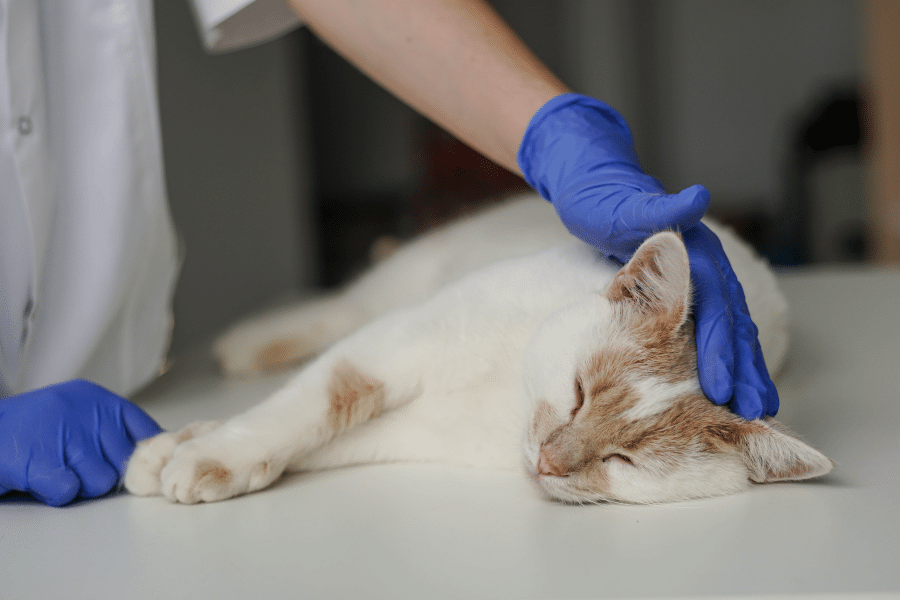


Not every change in your pet’s health needs the same type of appointment. A yearly checkup helps keep track of long-term health, while a sudden illness or injury may need attention sooner. Understanding the difference between urgent veterinary care vs. routine veterinary care can help you make a more confident decision when your dog or cat is not feeling well. The timing of an appointment matters because some symptoms can worsen if they are left unchecked. At The Highlands Veterinary Hospital in Sparta, NJ, pet owners can contact the veterinary team for guidance about their pet’s health concerns. This guide explains the two types of care, when each may be appropriate, and what to expect.
What Is the Difference Between Urgent Veterinary Care and Routine Veterinary Care?
Urgent veterinary care is intended for new or worsening health concerns that need prompt assessment. Routine veterinary care focuses on planned checkups, ongoing health needs, and preventive support when your pet is generally stable.
The main difference is the reason for the appointment and how quickly your pet needs to be seen. A dog with a sudden limp may need a prompt examination, while a healthy dog coming in for a scheduled wellness visit can usually follow a regular appointment plan.
Here is a simple comparison:
| Type of care | Main purpose | Examples |
|---|---|---|
| Urgent veterinary care | Assess a new or worsening problem promptly | Sudden vomiting, painful swelling, new limping |
| Routine veterinary care | Monitor health and address planned needs | Wellness examinations, nutrition discussions, dental assessments |
| Follow-up care | Check progress after a previous concern | Rechecking an injury, reviewing treatment response |
Neither type of appointment is more important than the other. Both support your pet’s health, but they serve different needs. When you are unsure which appointment is appropriate, describe the symptoms to your veterinary team and ask for guidance.
When Does Your Pet Need Urgent Veterinary Care?
Your pet may need prompt veterinary attention when a new symptom causes discomfort, affects normal activity, or continues to get worse. Sudden changes are worth discussing with a veterinarian, even if your pet still seems active.
Signs to watch for include:
- Repeated vomiting or diarrhea
- Sudden limping or difficulty standing
- A new wound, bite, or painful swelling
- Loss of appetite that is unusual for your pet
- Unusual tiredness or weakness
- Persistent coughing
- Changes in urination or bowel movements
- Eye redness, discharge, or signs of discomfort
- Sudden behavior changes, including hiding or restlessness
The severity of the symptom matters. A single episode of mild stomach upset may be different from repeated vomiting accompanied by weakness or discomfort. Your pet’s age, medical history, and other symptoms also help determine how quickly an examination is needed.
Some signs should not wait for a standard appointment. Severe difficulty breathing, collapse, seizures, uncontrolled bleeding, and suspected poisoning require immediate attention at an appropriate emergency veterinary facility.
When you call your veterinarian, explain what you have noticed and when it started. This information helps the team advise you about the next step.
What Is Included in a Routine Veterinary Visit?
Routine veterinary visits help your veterinarian understand your pet’s health over time. These appointments are useful even when your dog or cat appears healthy because some changes develop gradually and may not be easy to notice at home.
A routine visit may include:
- A physical examination
- Weight and body condition assessment
- Discussion of eating habits and nutrition
- Review of activity and behavior
- Dental health assessment
- Discussion of age-related health needs
- Recommendations for follow-up testing when appropriate
Regular appointments also give you time to raise questions about your pet’s daily care. You can discuss changes in appetite, exercise, sleep, skin condition, or bathroom habits that may not seem urgent but still deserve attention.
For senior pets, routine visits can be especially helpful for tracking mobility, comfort, weight, and changes in normal behavior. For puppies and kittens, scheduled appointments provide opportunities to discuss growth, nutrition, training, and daily care.
A routine appointment should not be used as a substitute for prompt assessment when your pet develops a sudden or worsening symptom. If something changes before the scheduled visit, contact your veterinarian to discuss whether the appointment should be moved sooner.
How Do Veterinarians Decide Which Type of Appointment Your Pet Needs?
Your veterinarian considers the symptoms, how quickly they appeared, how severe they seem, and your pet’s medical history. The team may ask when your pet last ate, whether they are drinking normally, and whether their behavior has changed.
For example, a pet that has gradually gained weight over several months may be suitable for a planned appointment to discuss nutrition and activity. A pet that suddenly cannot put weight on a leg needs a more timely assessment.
Hypothetical case study: Consider a cat named Luna whose owner notices that she has been eating less for two days and is hiding more than usual. The owner calls the clinic and explains the changes. The veterinary team recommends a prompt examination, where the veterinarian checks Luna’s mouth, abdomen, hydration, and overall condition before deciding whether diagnostic testing is needed.
Luna’s example shows why a symptom’s timing and the changes that happen alongside it matter. A pet does not need to show several symptoms before you ask for advice.
When describing a concern, try to share:
- When the symptom first appeared.
- Whether it is improving, staying the same, or getting worse.
- Any changes in eating, drinking, movement, or bathroom habits.
- Whether your pet takes medication or has a known health condition.
- Any possible exposure to unusual foods or household substances.
Can a Routine Veterinary Appointment Wait if Your Pet Has a New Symptom?
Sometimes a mild concern can be discussed during a planned appointment, but it is best to contact your veterinarian before deciding to wait. A symptom that seems minor may have a different meaning when combined with your pet’s age, medical history, or other changes.
For example, a small change in appetite may be less concerning in a pet that is otherwise acting normally than in a pet that is also weak, vomiting, or hiding. The veterinary team can help you understand whether the appointment should be moved sooner.
Do not wait for a routine visit if your pet has:
- Repeated vomiting or diarrhea
- Sudden or worsening pain
- Difficulty walking
- A wound that needs assessment
- Difficulty urinating
- A major change in energy or behavior
Severe breathing difficulty, collapse, seizures, uncontrolled bleeding, or suspected poisoning require immediate attention at an appropriate emergency veterinary facility.
When in doubt, a quick call can help you avoid unnecessary delays and make a suitable plan.
How Can You Make the Most of Both Types of Veterinary Care?
The best way to support your pet is to use routine appointments for ongoing health needs and contact your veterinarian promptly when something changes.
Between visits, keep an eye on your pet’s normal habits. Notice changes in weight, appetite, thirst, activity, sleep, and bathroom routines. These details can help your veterinarian identify patterns and make more informed recommendations.
You can also prepare for appointments by keeping a simple record of:
- Current medications and supplements
- Previous illnesses or procedures
- Changes in eating or drinking
- New behaviors or mobility concerns
- Questions you want to discuss
If your pet receives treatment for a sudden problem, follow the recommended instructions and attend any suggested follow-up appointment. A follow-up can help the veterinarian check whether your pet is improving or needs a change in the care plan.
Conclusion
Urgent veterinary care and routine veterinary care serve different purposes, and knowing when to use each can help protect your pet’s health. Planned appointments support ongoing wellness, while prompt assessment helps address new or worsening symptoms before they become harder to manage. Pay attention to changes in your pet’s behavior, appetite, movement, and comfort, and contact your veterinarian when something does not seem right. Booking an Urgent care appointment at The Highlands Veterinary Hospital in Sparta, NJ, can help you discuss your pet’s needs and understand the appropriate appointment options. If you are unsure how quickly your pet should be seen, call the hospital and describe what you have noticed.
Frequently Asked Questions
Q1. What is the main difference between urgent and routine veterinary care?
Ans: Urgent veterinary care addresses new or worsening health concerns that need prompt assessment. Routine veterinary care is planned in advance and focuses on wellness, ongoing health monitoring, and general care.
Q2. Can I take my pet to the veterinarian for sudden vomiting or limping?
Ans: Yes. Sudden vomiting, repeated diarrhea, or new limping are reasons to contact your veterinarian. The team can help determine how quickly your pet should be examined based on the symptoms and their severity.
Q3. How often should pets have routine veterinary visits?
Ans: The recommended schedule depends on your pet’s age, health, and medical history. Your veterinarian can suggest an appointment plan that fits your dog’s or cat’s individual needs.
Q4. Should I wait for a routine appointment if my pet’s symptoms seem mild?
Ans: Contact your veterinarian before deciding to wait. A mild symptom may need earlier attention if it continues, worsens, or occurs alongside other changes.
Q5. Can The Highlands Veterinary Hospital help me choose the right appointment?
Ans: Yes. You can contact The Highlands Veterinary Hospital in Sparta, NJ, to describe your pet’s symptoms and ask about the appropriate next step. Sharing when the problem began and how your pet is acting can help the team guide you.