

Many pets love exploring gardens, garbage bins, and compost piles, often finding smells and scraps that seem irresistible. While compost may look harmless, it can contain spoiled food, mold, coffee grounds, plant material, and other substances that may make your dog or cat seriously ill. If you are thinking that your pet ate compost, it is important to know that some cases require immediate veterinary attention. At The Highlands Veterinary Hospital in Sparta, NJ, pets are occasionally seen after getting into backyard compost or compost bins. This guide explains why compost can be dangerous, what symptoms to watch for, and when urgent veterinary care is necessary.
My Pet Ate Compost. Should I Be Worried
If my pet ate compost describes your situation, the answer depends on what was inside the compost and how much your pet consumed. Fresh vegetable scraps may cause only mild stomach upset, while moldy food or spoiled organic material can expose pets to toxins that affect the digestive system and nervous system.
Compost may contain:
- Moldy food.
- Rotten fruits and vegetables.
- Coffee grounds.
- Tea bags.
- Grass clippings.
- Plant trimmings.
- Food scraps.
- Animal products.
As compost breaks down, mold can grow and produce harmful toxins that are dangerous to both dogs and cats.
Some pets develop only mild vomiting or diarrhea, while others become seriously ill within a short period of time.
Because it is often impossible to know exactly what was eaten, contacting your veterinarian is the safest first step.
Why Is Compost Dangerous for Pets
Many people think compost is simply decomposing food, but the materials inside can change significantly as they break down.
Warm, moist compost piles create an environment where mold grows easily. Certain molds produce toxins that can affect the brain and nervous system.
Other risks include:
- Foreign material that can cause intestinal blockage.
- Sharp objects hidden in food waste.
- Toxic foods mixed into the compost.
- Bacteria from spoiled food.
- Large amounts of rich organic matter that upset the stomach.
Even if your compost contains mostly fruits and vegetables, the decomposition process itself can make it unsafe for pets.
Dogs are especially at risk because they are more likely to eat large amounts before being discovered.
Cats are less likely to consume compost but may still become ill if they investigate contaminated material.
Signs of Compost Poisoning
Symptoms may appear within a few hours after your pet eats compost, although the exact timing depends on what was consumed.
Common warning signs include:
- Vomiting.
- Diarrhea.
- Drooling.
- Loss of appetite.
- Weakness.
- Restlessness.
- Tremors.
- Difficulty walking.
- Muscle stiffness.
- Seizures.
Some pets also develop a high body temperature because repeated muscle activity generates excessive heat.
These symptoms should never be ignored.
Pets showing tremors, seizures, or difficulty standing require immediate veterinary evaluation.
Even mild digestive signs deserve attention if you know your pet has eaten compost.
How Veterinarians Diagnose and Treat Compost Poisoning
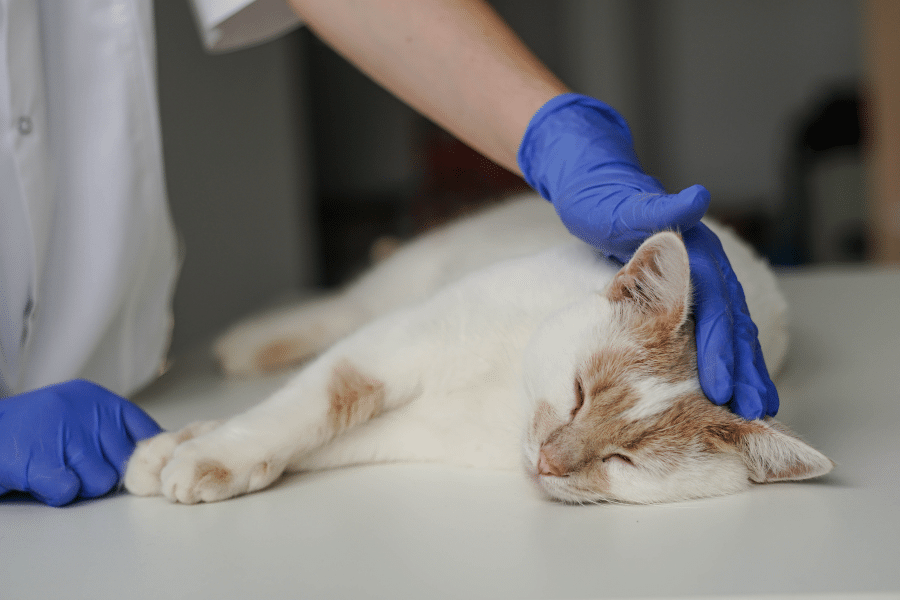
When your pet arrives at the hospital, your veterinarian will first ask what type of compost was involved and when the exposure occurred.
A complete physical examination helps determine the severity of your pet’s condition.
Depending on your pet’s symptoms, diagnostic testing may include:
- Physical examination.
- Blood work.
- Urinalysis.
- Imaging if an intestinal blockage is suspected.
Treatment depends on what your pet ate and how sick they are.
Possible treatments include:
- Fluid therapy.
- Medications to control vomiting.
- Medications to control tremors or seizures.
- Temperature management if overheating develops.
- Hospitalization for close monitoring.
- Additional treatment for complications if needed.
A realistic example
Imagine Max, a five-year-old Labrador Retriever, spends several minutes eating from a backyard compost pile while his family is gardening. A few hours later, he begins vomiting and develops muscle tremors that quickly become more noticeable.
His family brings him to the veterinary hospital, where he receives prompt treatment and close monitoring. After supportive care and management of his symptoms, Max recovers well and returns home comfortably. Although this is a hypothetical example, it reflects the type of emergency veterinarians may encounter after compost exposure.
What Pet Owners Can Do Before Arriving at the Vet
If you discover your pet eating compost, remove them from the area immediately. Even if they seem completely normal, it is important to act quickly because some toxins do not cause symptoms right away.
Try to identify what your pet may have eaten.
Look for:
- Moldy food.
- Rotten fruits or vegetables.
- Coffee grounds.
- Tea bags.
- Food scraps.
- Grass clippings.
- Plant material.
- Any unusual items mixed into the compost.
If possible, estimate:
- How much compost was eaten.
- When the exposure happened.
- Whether your pet has vomited.
- Any changes in behavior.
This information helps your veterinarian determine the most appropriate treatment.
While preparing to leave for the veterinary hospital:
- Prevent your pet from eating more compost.
- Keep them in a cool, quiet area.
- Watch for vomiting, tremors, weakness, or unusual behavior.
- Bring a sample or photo of the compost if it can be collected safely.
Avoid these common mistakes:
- Do not wait for symptoms to develop before calling your veterinarian.
- Do not give human medications.
- Do not offer food unless your veterinarian instructs you to do so.
- Do not assume homemade compost is safer than commercial compost.
Even compost made entirely from kitchen scraps can become dangerous as it decomposes.
When to Seek Urgent Veterinary Care
Some compost exposures become medical emergencies very quickly.
Seek immediate veterinary care if your pet:
- Develops tremors.
- Has a seizure.
- Vomits repeatedly.
- Has severe diarrhea.
- Appears weak or collapses.
- Cannot walk normally.
- Has difficulty breathing.
- Becomes unusually restless.
- Has a very high body temperature.
- Stops responding normally.
Urgent care is also recommended if:
- Your pet ate moldy compost.
- A large amount of compost was consumed.
- Coffee grounds or other potentially harmful materials were mixed into the compost.
- You are unsure exactly what your pet ate.
Prompt treatment gives your veterinarian the best opportunity to control symptoms, replace lost fluids, and reduce the risk of serious complications.
Waiting to see if symptoms improve on their own can allow poisoning to become much more severe.
Conclusion
If my pet ate compost, it is important to take the situation seriously. While some pets experience only mild stomach upset, compost can contain mold, spoiled food, coffee grounds, and other materials that may lead to poisoning or digestive problems. Recognizing the warning signs and seeking veterinary care quickly can make a significant difference in your pet’s recovery.
At The Highlands Veterinary Hospital in Sparta, NJ, we understand how quickly curious pets can get into things they should not eat. If your dog or cat has eaten compost or begins showing vomiting, tremors, weakness, or other concerning symptoms after exposure and you are looking for urgent vet care near you, then call at 973-726-8080 or schedule an appointment. Early evaluation and treatment can help prevent serious complications and give your pet the best chance for a full recovery.
FAQs
Q1: Is compost dangerous for dogs and cats?
Ans: Yes. Compost can contain mold, spoiled food, coffee grounds, and other materials that may cause digestive illness or poisoning. The risk depends on what was in the compost and how much your pet consumed.
Q2: What are the first signs of compost poisoning in pets?
Ans: Early signs often include vomiting, diarrhea, drooling, loss of appetite, restlessness, and weakness. More serious cases may progress to muscle tremors, difficulty walking, or seizures.
Q3: How soon do symptoms appear after a pet eats compost?
Ans: Symptoms may appear within a few hours, although the timing varies depending on the type and amount of compost consumed. Some pets become ill quickly, while others develop signs more gradually.
Q4: What should I do if my pet ate moldy compost?
Ans: Contact your veterinarian immediately, even if your pet appears normal. Mold can produce toxins that affect the nervous system, and early treatment is often more effective than waiting for symptoms to worsen.
Q5: When should I seek emergency care after my pet eats compost?
Ans: Seek emergency veterinary care right away if your pet develops tremors, seizures, repeated vomiting, severe diarrhea, weakness, collapse, difficulty breathing, or any sudden change in behavior after eating compost.