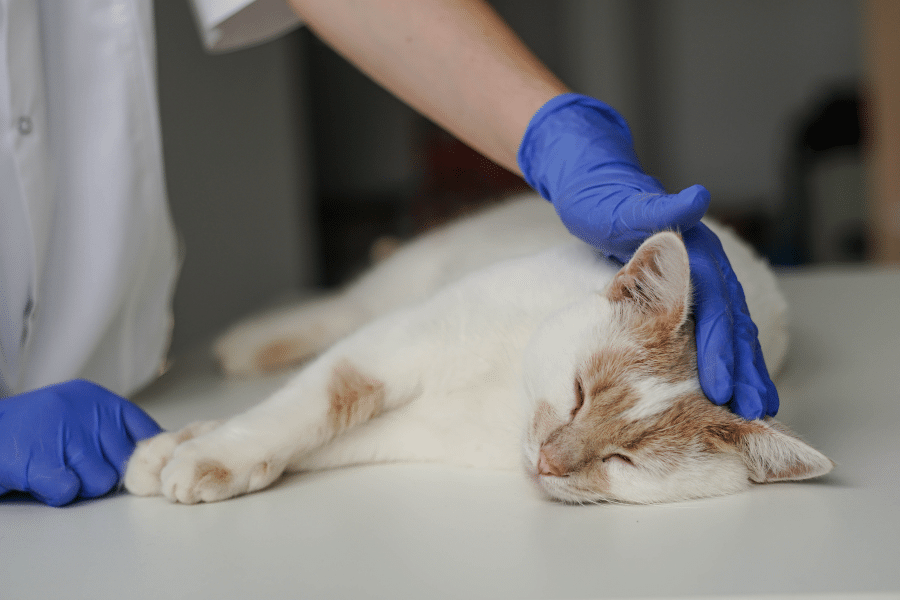

When your pet suddenly acts uncomfortable, hides, avoids being touched, or seems unusually sensitive around the head, it can be difficult to know what is wrong. Pets cannot tell you where they hurt, so subtle changes in behavior can be important clues. Pet head pain may be linked to dental problems, ear disease, injury, eye conditions, or other health concerns that need veterinary attention. At The Highlands Veterinary Hospital in Sparta, NJ, recognizing changes in a pet’s behavior is an important part of deciding when an examination is needed. This guide explains common warning signs, possible causes, what you can safely do at home, and when your pet may need urgent veterinary care.
What Are the Warning Signs of Head Pain in Pets?
Head pain in pets can show up as changes in behavior, movement, eating, or sensitivity to touch. Signs that are sudden, severe, or getting worse may indicate a problem that needs prompt veterinary evaluation.
Watch for these warning signs:
- Repeated pawing or rubbing at the head
- Whining, crying, or unusual vocalization
- Avoiding touch around the face or head
- Hiding or becoming unusually quiet
- Head shaking or frequent scratching
- Loss of appetite or difficulty chewing
- Squinting or changes in the eyes
- Unsteady walking or loss of coordination
- Vomiting accompanied by other concerning signs
- Seizures, collapse, or severe confusion
A single mild behavior change does not always mean your pet has a serious problem. However, multiple symptoms or a sudden change from normal behavior deserves closer attention.
What Can Cause Head Pain in Pets?
Several conditions can cause discomfort around a pet’s head. Some are relatively simple to treat, while others can become serious without timely care.
Possible causes include:
- Dental disease: A painful tooth, infection, or inflammation can make eating and chewing uncomfortable.
- Ear problems: Ear infections, foreign material, or deeper ear disease can cause significant pain and head shaking.
- Eye conditions: Corneal injuries, inflammation, or increased pressure within the eye can be painful.
- Injury: A fall, collision, bite, or other trauma can cause pain around the head or face.
- Sinus or nasal problems: Inflammation or infection may cause facial discomfort.
- Neurological problems: Certain disorders affecting the brain or nervous system can cause unusual behavior, imbalance, or seizures.
- Toxic exposure: Some toxic substances can cause neurological changes along with other symptoms.
Because these problems can look similar at first, a veterinary examination is often needed to determine the underlying cause.
What Signs Suggest Your Pet Needs Urgent Care?
Some symptoms should be treated as urgent, particularly when they appear suddenly or occur together. Severe head discomfort combined with neurological or physical changes can signal a condition that should not wait for a routine appointment.
Seek urgent veterinary care if your pet develops:
- Seizures
- Collapse or inability to stand
- Severe confusion or unusual responsiveness
- Difficulty walking
- Sudden loss of balance
- Repeated vomiting with weakness or neurological changes
- Severe eye pain or sudden vision changes
- Major swelling around the face or head
- Heavy bleeding
- Head pain following significant trauma
Do not assume your pet will simply sleep off severe symptoms. Some serious conditions can worsen quickly, and early evaluation can help determine what is happening.
How Do Vets Diagnose Head Pain in Pets?
Because pets cannot describe their pain, a veterinarian starts by looking at the entire picture. The examination may include the pet’s behavior, posture, eyes, ears, mouth, nervous system, and overall physical condition.
Depending on the findings, a veterinarian may recommend:
- A physical examination to look for tenderness, swelling, injury, or other abnormalities.
- An ear and oral examination to identify common sources of head and facial pain.
- A neurological assessment if balance, coordination, or behavior has changed.
- Blood or other laboratory testing when an underlying illness is suspected.
- Imaging or additional diagnostic testing when the examination suggests a deeper problem.
For example, imagine a middle-aged dog whose owner notices that he has stopped chewing hard treats and pulls away when the side of his face is touched. During the examination, the veterinarian notices discomfort around the mouth and finds significant dental disease. After appropriate treatment, the dog returns to eating comfortably.
This illustrates why changes that seem behavioral can sometimes have a physical cause.
Can Dental Problems Cause Head Pain in Pets?
Yes. Dental disease can cause significant pain that may appear to affect the head or face. A pet with an uncomfortable tooth may eat more slowly, drop food, chew on one side, avoid hard food, or resist having its face touched.
Look for:
- Bad breath that is stronger than usual
- Dropping food while eating
- Difficulty chewing
- Excessive drooling
- Swelling around the face
- Pawing at the mouth
- Reduced appetite
- Reluctance to have the mouth examined
Pets often hide oral pain until it becomes substantial. Regular dental examinations can help identify problems before they lead to more severe discomfort.
Can Ear Problems Make a Pet’s Head Hurt?
Ear disease is another common reason pets may show head-related discomfort. Dogs and cats with ear problems may shake their heads, scratch their ears, tilt their heads, or become sensitive when the area is touched.
Contact your veterinarian if you notice:
- Frequent head shaking
- Persistent ear scratching
- Redness inside the ear
- Unusual odor
- Discharge
- Swelling
- A head tilt
- Loss of balance
Deep ear problems can affect balance and cause more serious symptoms. Avoid putting household remedies or unapproved ear products into your pet’s ears unless your veterinarian has recommended them.
What Should You Do if Your Pet Seems to Have Head Pain?
If your pet appears mildly uncomfortable but otherwise seems normal, keep the environment quiet and observe closely. Avoid activities that could worsen an injury and make note of when the symptoms started.
You can also:
- Record unusual behavior on your phone to show your veterinarian.
- Note changes in eating or drinking.
- Watch for vomiting, imbalance, or changes in vision.
- Keep your pet away from stairs and other hazards if they seem unsteady.
- Contact your veterinarian if symptoms persist or worsen.
Never give your pet human pain medication unless a veterinarian specifically directs you to do so. Some medications that are safe for people can be dangerous for pets.
When Should You Contact a Veterinarian?
The timing of veterinary care depends on the severity and combination of symptoms. A pet that suddenly develops severe discomfort, neurological changes, or significant trauma needs more immediate attention than a pet with a mild, isolated behavior change.
Consider contacting a veterinarian promptly when:
- Symptoms continue or repeatedly return.
- Your pet stops eating because of discomfort.
- Head shaking or ear scratching becomes frequent.
- Your pet reacts strongly when the head or face is touched.
- Eye changes occur.
- Balance or coordination changes.
- There has been an injury involving the head or face.
When symptoms are severe or rapidly worsening, seek urgent veterinary care rather than waiting for a routine appointment.
How Can You Help Prevent Problems That Cause Head Pain?
You cannot prevent every cause of head discomfort, but routine care can reduce some risks and help you identify problems earlier.
Helpful habits include:
- Schedule routine veterinary examinations.
- Keep up with appropriate dental care at home.
- Check your pet’s ears regularly for changes.
- Keep potentially harmful substances out of reach.
- Use appropriate restraints when traveling with your pet.
- Supervise pets around other animals to reduce injury risks.
- Pay attention to sudden changes in behavior or appetite.
Early recognition matters because pets may continue normal activities even when they are experiencing pain.
Conclusion
Head discomfort in a pet can have many possible causes, from dental and ear problems to injuries and conditions affecting the nervous system. The most important thing is to recognize changes from your pet’s normal behavior. Severe pain, seizures, collapse, major balance changes, significant trauma, or sudden eye problems should never be ignored.
If you are looking for urgent pet care near you, then call 973-726-8080 or schedule an appointment at The Highlands Veterinary Hospital in Sparta, NJ, which can help evaluate concerning changes and determine whether your pet needs prompt treatment. If your pet suddenly seems painful, confused, unsteady, or unusually sensitive around the head, contact a veterinarian for guidance. Acting early can help identify the cause and give your pet the best opportunity for appropriate care.
FAQs
Q1: How can I tell if my pet has head pain?
A: Pets may show head pain by hiding, vocalizing, pawing at the face, avoiding touch, shaking the head, or becoming reluctant to eat. Changes in balance, vision, or behavior can also be important warning signs.
Q2: Can dental disease cause head pain in pets?
A: Yes. Painful teeth, gum inflammation, and other oral problems can cause significant discomfort around the mouth and head. Difficulty chewing, drooling, bad breath, and facial sensitivity may be clues.
Q3: Why is my pet shaking its head and scratching its ears?
A: Frequent head shaking and ear scratching can indicate ear irritation, infection, foreign material, or another ear problem. A veterinarian should examine the ear before you apply any treatment.
Q4: When should I take my pet in for head pain?
A: Prompt veterinary care is appropriate when pain persists, interferes with eating, or occurs with eye changes, vomiting, weakness, or balance problems. Seizures, collapse, severe confusion, or major trauma require urgent veterinary care.
Q5: Can I give my pet human pain medicine for head pain?
A: Do not give human pain medication unless your veterinarian specifically tells you to do so. Some medications that are commonly used by people can be harmful or toxic to pets.