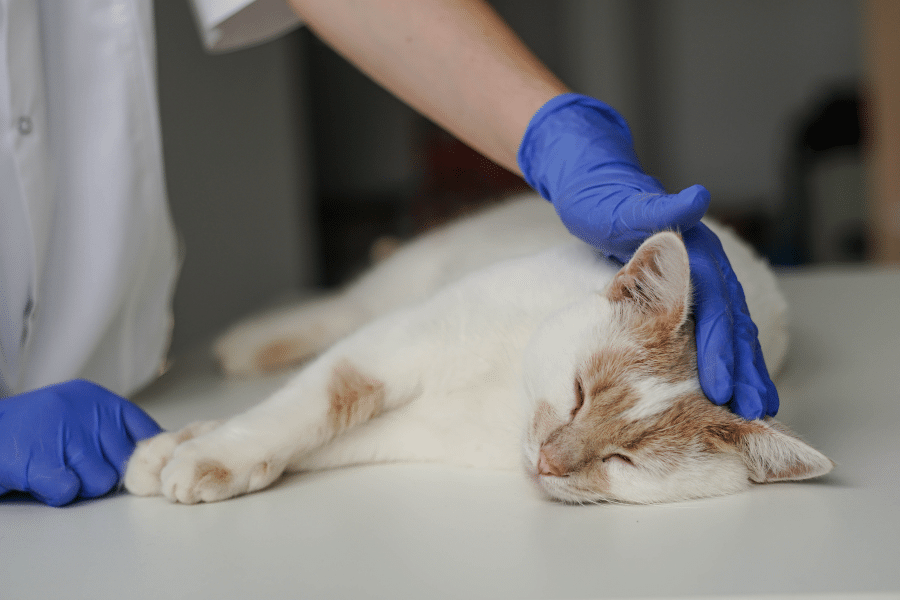

Seeing your pet with a swollen eye can be alarming, and many pet owners wonder whether they should wait or seek immediate help. In many cases, a swollen eye in pets is more than a minor irritation and can signal an injury, infection, allergy, or another serious condition that requires prompt attention.
This guide explains common causes of eye swelling, symptoms that indicate an emergency, and what you should do before bringing your pet to the veterinarian. Knowing when a swollen eye is an urgent care situation can help protect your pet’s comfort and vision.
Is a Swollen Eye in Pets an Emergency?
A swollen eye should never be ignored. While some cases are mild, others can progress quickly and potentially affect your pet’s eyesight. Eye conditions are often painful, and early treatment usually leads to better outcomes.
You should consider a swollen eye an urgent issue if your pet is:
- Squinting or unable to open the eye
- Pawing or rubbing at the face
- Showing signs of pain or discomfort
- Experiencing discharge or excessive tearing
- Having redness around the eye
- Showing changes in vision
- Acting lethargic or unusually quiet
- Suffering from sudden swelling after trauma
If these signs appear, contact your veterinarian as soon as possible.
Common Causes of a Swollen Eye
Several conditions can cause a swollen eye in dogs and cats.
Allergic Reactions
Environmental allergens, insect bites, or exposure to certain substances can cause swelling around the eye. Allergic reactions may affect one or both eyes and sometimes include facial swelling.
Eye Injuries
Scratches, foreign objects, or trauma from rough play can irritate the eye and lead to swelling. Even small injuries can become serious if left untreated.
Conjunctivitis
Inflammation of the tissue surrounding the eye can result in redness, discharge, and swelling. Conjunctivitis may develop because of infections, irritants, or underlying conditions.
Corneal Ulcers
Corneal ulcers are painful injuries to the surface of the eye. Pets with ulcers often squint, tear excessively, and keep the eye closed.
Infections
Bacterial, fungal, or other infections may cause swelling and discharge. These infections require veterinary evaluation and treatment.
Glaucoma
Glaucoma occurs when pressure inside the eye increases. This condition can become an emergency because it may lead to permanent vision loss if treatment is delayed.
Dental Problems
In some cases, infections involving the upper teeth can spread to nearby tissues and cause swelling around the eye.
Signs That Require Immediate Veterinary Attention
A swollen eye should be treated as an urgent care situation if you notice:
- Sudden or severe swelling
- Cloudiness in the eye
- Bleeding
- Green or yellow discharge
- The eye appears enlarged
- Your pet cries when touched
- Loss of vision
- A visible object stuck in the eye
- Facial swelling along with breathing difficulties
- Trauma from an accident or fight
Prompt care may help prevent complications and preserve vision.
What You Should Do at Home
While waiting to see your veterinarian, there are a few things you can do safely.
Keep Your Pet Calm
Limiting activity can help prevent further injury and reduce stress.
Prevent Rubbing
Pets often rub irritated eyes, which can worsen the problem. An Elizabethan collar may help prevent self-trauma.
Observe Symptoms
Take note of:
- When the swelling began
- Any discharge present
- Changes in appetite or energy
- Exposure to plants, insects, or chemicals
- Recent injuries or rough play
These details can help your veterinarian identify the cause.
Avoid Home Remedies
Do not use human eye drops, ointments, or medications unless specifically recommended by your veterinarian. Some products can worsen eye conditions and delay proper treatment.
How Veterinarians Diagnose Eye Swelling
To determine the cause of a swollen eye, your veterinarian may perform:
- A complete physical examination
- Eye pressure testing
- Fluorescein staining to check for scratches or ulcers
- Tear production tests
- Examination for foreign objects
- Bloodwork or imaging if needed
Accurate diagnosis is important because different eye conditions require different treatments.
Treatment Options for a Swollen Eye
Treatment depends on the underlying cause.
Possible treatments include:
- Prescription eye medications
- Oral medications
- Allergy management
- Removal of foreign material
- Pain relief
- Treatment for infections
- Surgery in severe cases
Most pets recover well when treatment begins early.
Can Eye Problems Become Serious
Yes, eye conditions can worsen rapidly, sometimes within hours. Delayed treatment may result in:
- Chronic pain
- Corneal damage
- Vision impairment
- Permanent blindness
- Spread of infection
This is because many eye problems look similar; it is safest to have your pet evaluated whenever swelling develops.
How to Help Prevent Eye Injuries
Although not all problems can be prevented, you can reduce risks by:
- Supervising rough play
- Keeping chemicals out of reach
- Trimming vegetation in outdoor areas
- Scheduling routine veterinary examinations
- Monitoring pets with allergies
- Seeking prompt care for facial injuries
Early recognition often makes treatment simpler and more successful.
Conclusion
A swollen eye in pets should always be taken seriously. While allergies or minor irritation may be responsible, eye injuries, infections, and glaucoma can become emergencies that threaten your pet’s vision. If your dog or cat develops eye swelling, redness, pain, or discharge, seeking veterinary care promptly is the safest approach. For professional evaluation and urgent eye care, contact 9737268080 at The Highlands Veterinary Hospital in Sparta, NJ, and schedule a sick pet appointment as soon as possible.
FAQs
Q1: Is a swollen eye in a pet considered an emergency?
Ans: Yes, a swollen eye can be an urgent care issue, especially if it is accompanied by pain, discharge, cloudiness, or changes in vision. Prompt veterinary evaluation is recommended.
Q2: What causes a swollen eye in dogs and cats?
Common causes include allergies, injuries, infections, corneal ulcers, glaucoma, and foreign objects lodged in or around the eye.
Q3: Can I treat my pet’s swollen eye at home?
Home treatment is not recommended without veterinary guidance. Human medications and eye drops can sometimes worsen the condition.
Q4: How quickly should I take my pet to the veterinarian for eye swelling?
Because eye conditions can progress rapidly, it is best to have your pet examined the same day, especially if pain, discharge, or sudden swelling is present.
Q5: Can a swollen eye cause blindness in pets?
Yes. Certain conditions, including glaucoma and severe corneal injuries, may lead to permanent vision loss if treatment is delayed. Early veterinary care offers the best chance of preserving eyesight.