
If your pup has an upcoming procedure, knowing how to prepare your dog for surgery can ease anxiety for both you and your pet. From fasting instructions to post-op planning, preparation plays a major role in a smooth, safe experience. In this guide, we’ll walk you through a vet-approved pre-op checklist, explain what to expect, and share practical tips for pet owners in Sparta.
Why Proper Preparation Matters Before Dog Surgery
Surgery, whether routine like spaying and neutering or more advanced procedures, requires careful planning. Proper preparation helps:
- Reduce anesthesia-related risks
- Lower the chance of complications
- Support faster recovery
- Minimize your dog’s stress
According to the American Veterinary Medical Association, most surgical complications in pets are preventable with proper pre-operative screening and owner compliance. That’s why understanding how to prepare your dog for surgery is critical.
Step 1: Follow Fasting Instructions Carefully
One of the most important parts of preparing your dog for surgery is fasting.
Why Fasting Is Necessary
Anesthesia relaxes the body, including the muscles that prevent vomiting. If your dog eats before surgery, there’s a risk of aspiration (inhaling stomach contents), which can lead to pneumonia or other serious complications.
General Fasting Guidelines
While your veterinarian will give specific instructions, typical guidelines include:
- No food after 8–10 PM the night before surgery
- Remove treats and table scraps
- Water is usually allowed until early morning (confirm with your vet)
- Puppies or diabetic dogs may have special instructions
Always double-check the exact timeline with your veterinary team.
Step 2: Schedule Pre-Surgical Bloodwork
Pre-anesthetic blood testing is a crucial safety measure.
What Bloodwork Checks For
- Liver and kidney function
- Blood sugar levels
- Infection or inflammation
- Clotting ability
Even healthy-looking dogs can have underlying conditions. Bloodwork helps your veterinarian tailor anesthesia safely.
For pet owners in Sparta and surrounding Sussex County communities, this step provides peace of mind before surgery day.
Step 3: Prepare Your Home for Recovery
Preparing your dog for surgery doesn’t stop at the clinic; it continues at home.
Set Up a Quiet Recovery Space
Create a calm, low-traffic area with:
- A clean, comfortable bed
- Easy access to water
- Limited stairs
- No rough play
This is especially important for active breeds who may want to jump or run too soon.
Remove Hazards
- Block access to furniture
- Put away toys temporarily
- Prevent interaction with other pets if needed
Dogs recovering from surgery often need 10–14 days of restricted activity.
Step 4: Plan for Transportation
On surgery day:
- Bring your dog on a leash or in a crate
- Arrive on time
- Allow extra time for paperwork
- Bring any requested medical records
After surgery, your dog may be groggy. Have:
- A blanket in the car
- Someone to help you lift larger dogs
- A calm environment for the ride home
Sparta’s rural roads can sometimes be bumpy, so driving carefully is especially important post-anesthesia.
Step 5: Understand Post-Op Instructions in Advance
Ask your veterinary team about:
- Pain management
- Feeding instructions
- Incision care
- Activity restrictions
- Signs of complications
Common Post-Surgery Signs (Normal)
- Mild grogginess
- Reduced appetite for 24 hours
- Minor swelling at the incision site
Call Your Vet If You Notice:
- Persistent vomiting
- Excessive bleeding
- Severe swelling
- Extreme lethargy
- Labored breathing
Knowing what’s normal reduces unnecessary panic.
Step 6: Use an E-Collar or Recovery Suit
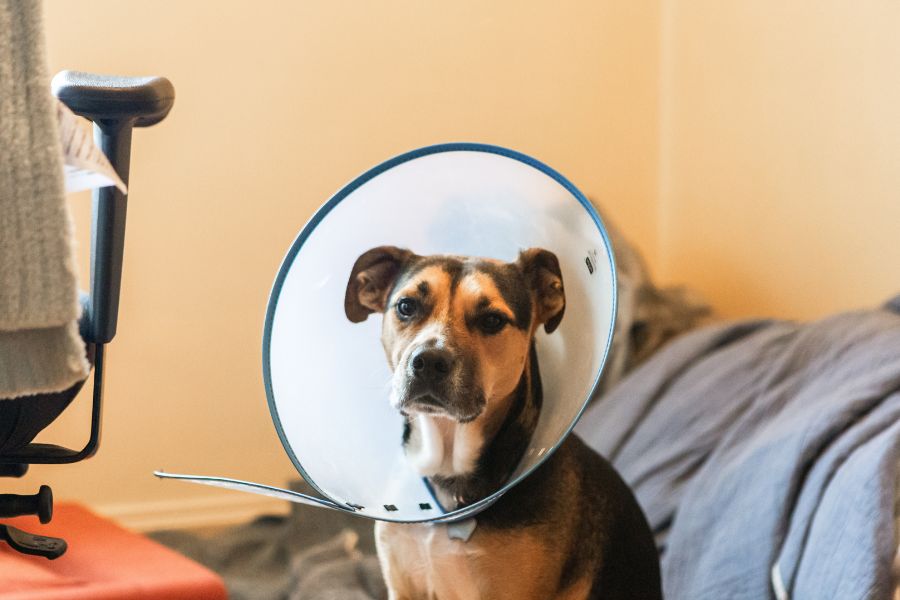
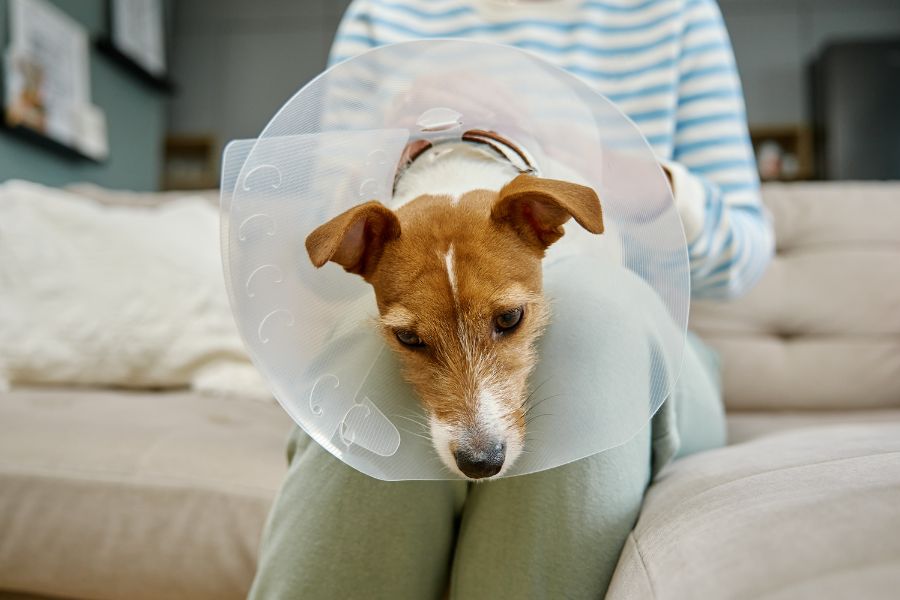
Many dogs dislike the “cone,” but it prevents licking and chewing.
Alternatives include:
- Soft recovery collars
- Inflatable collars
- Surgical recovery suits
Licking can cause infections and delay healing, so protection is essential.
Step 7: Reduce Anxiety Before Surgery
Dogs can sense stress. To keep your pup calm:
- Maintain normal routines
- Take a short walk the morning of surgery (if allowed)
- Avoid emotional goodbyes
- Stay calm and confident
If your dog is highly anxious, ask your veterinarian about calming supplements or mild anti-anxiety medication.
Common Surgeries That Require Preparation
Proper preparation applies to many procedures, including:
- Spay and neuter
- Dental cleanings
- Mass removals
- Orthopedic surgery
- Soft tissue surgery
Each procedure may have slightly different requirements, so always confirm details with your veterinarian.
Local Care You Can Trust
Pet owners in Sparta, NJ, and nearby communities like Lake Mohawk and Newton rely on experienced veterinary teams to guide them through surgical care. At Highlands Veterinary Hospital, safety protocols, modern anesthesia monitoring, and personalized post-op plans help ensure every dog receives attentive, compassionate care.
Preparing your dog for surgery doesn’t have to feel overwhelming. With proper guidance and a clear checklist, you can approach surgery day with confidence.
Knowing how to prepare your dog for surgery is one of the most important steps you can take to protect your pet’s health. Follow fasting instructions carefully, complete recommended bloodwork, discuss medications, and prepare a quiet recovery space at home. Clear communication with your veterinary team ensures a safe procedure and a smoother healing process.
If your dog has an upcoming procedure and you have questions, contact Highlands Veterinary Hospital today to schedule a pre-surgical consultation. Our team is here to guide you every step of the way and keep your pup safe and comfortable.
FAQs
Q1: How long should my dog fast before surgery?
Most dogs should stop eating 8–12 hours before surgery, but always follow your veterinarian’s specific instructions.
Q2: Is pre-surgical bloodwork really necessary for young dogs?
Yes, even young, healthy dogs can have hidden conditions. Bloodwork helps ensure anesthesia safety.
Q3: Can I stay with my dog during surgery?
For safety and sterility reasons, pet owners are not allowed in the surgical suite, but your vet will provide updates.
Q4: How do I keep my dog calm before surgery?
Maintain normal routines, avoid dramatic goodbyes, and ask your vet about calming aids if your dog is very anxious.
Q5: How long does it take a dog to recover from surgery?
Most dogs recover within 10–14 days, depending on the procedure and how well activity restrictions are followed.