

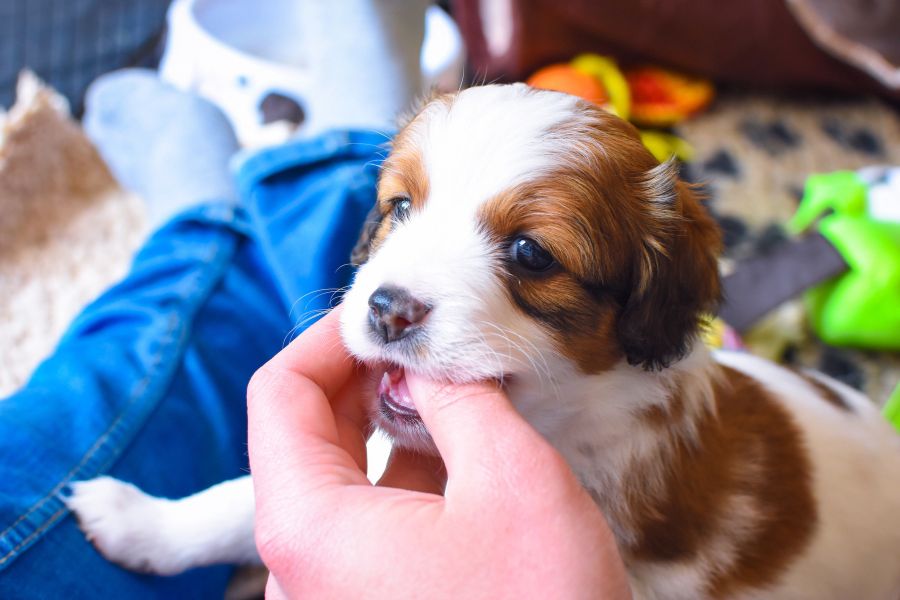
Bringing home a new puppy is exciting, but it also comes with important responsibilities. One of the first and most important steps is scheduling your puppy’s first vet visit. Early veterinary care helps protect your puppy from disease, supports healthy growth, and gives you the guidance needed to raise a happy, healthy dog.
In this guide, you’ll learn exactly what happens during a puppy’s first vet appointment, how to prepare beforehand, what questions to ask, and how to make the experience less stressful for both you and your new companion.
Why Your Puppy’s First Vet Visit Matters
Your puppy’s first vet visit lays the foundation for lifelong health. Puppies are vulnerable to infections, parasites, and developmental issues during the first few months of life. A veterinarian can detect problems early and create a preventive care plan tailored to your dog.
During this appointment, your vet will:
- Perform a full physical exam
- Check for parasites or infections
- Discuss vaccinations
- Review nutrition and feeding
- Answer behavior and training questions
- Set up a future wellness schedule
Most veterinarians recommend bringing your puppy in within the first week of bringing them home.
When Should You Schedule the First Vet Appointment
The ideal time for a puppy’s first vet visit is between 6 and 8 weeks of age. If you adopt your puppy later, schedule the appointment as soon as possible.
Young puppies need regular checkups because their immune systems are still developing. Early visits also help your puppy become comfortable with veterinary care.
Typical Puppy Vet Timeline
| Puppy Age | Veterinary Care |
| 6 to 8 weeks | First wellness exam, vaccines, deworming |
| 10 to 12 weeks | Booster vaccines, growth check |
| 14 to 16 weeks | Final puppy vaccines, rabies vaccine |
| 6 months | Spay/neuter discussion, adolescent care |
Your veterinarian may adjust this schedule based on your puppy’s breed, health history, and lifestyle.
How to Prepare for Your Puppy’s First Vet Visit
Preparing ahead of time can make the appointment smoother and less stressful.
Bring Medical Records
If your breeder, rescue, or shelter provided vaccination or deworming records, bring them with you. This helps the veterinarian avoid duplicate treatments and build an accurate health plan.
Collect a Stool Sample
Many vets request a fresh stool sample to test for intestinal parasites like roundworms or Giardia. Use a clean container and collect the sample within 12 hours of the visit.
Use a Secure Carrier or Leash
Small puppies should travel in a crate or carrier for safety. Larger puppies should wear a properly fitted collar or harness with a leash.
Write Down Questions
New dog owners often forget important questions during the appointment. Make a list in advance so you can cover topics like:
- Feeding recommendations
- Potty training
- Crate training
- Teething
- Flea and tick prevention
- Socialization
- Vaccination schedules
What Happens During the First Vet Visit
A puppy’s first vet appointment is usually comprehensive. Your veterinarian wants to understand your puppy’s overall health and help you start strong.
Physical Examination
The veterinarian will perform a nose-to-tail exam to check your puppy’s:
- Eyes and ears
- Teeth and gums
- Skin and coat
- Heart and lungs
- Belly and digestive system
- Joints and mobility
- Weight and body condition
This exam helps identify congenital conditions, infections, or developmental concerns early..
Parasite Testing and Prevention
Many puppies are born with intestinal parasites or pick them up shortly after birth. Your veterinarian may recommend:
- Deworming medication
- Fecal testing
- Flea prevention
- Tick prevention
- Heartworm prevention
Preventive care is far easier and less expensive than treating advanced illness later.
Nutrition and Feeding Guidance
Proper nutrition supports healthy growth, brain development, and immune function.
Your veterinarian may discuss:
- Choosing a high-quality puppy food
- Portion sizes
- Feeding schedules
- Breed-specific nutritional needs
- Foods to avoid
Large-breed puppies may require special diets to support healthy bone growth, while smaller breeds may need more frequent meals.
Signs Your Puppy Is Eating Well
- Steady weight gain
- Healthy energy levels
- Firm stools
- Shiny coat
- Consistent appetite
If your puppy experiences vomiting, diarrhea, or poor appetite, let your veterinarian know immediately.
Behavioral Questions You Should Ask
Your puppy’s first vet visit is a great time to discuss behavior and training concerns.
Important Topics to Cover
Potty Training
Ask about realistic potty training timelines and how to prevent accidents.
Socialization
Safe socialization during puppyhood helps prevent fear and anxiety later in life. Your veterinarian can explain when and how to introduce your puppy to people, pets, and environments safely.
Biting and Chewing
Puppies naturally chew during teething. Your vet can recommend safe chew toys and ways to redirect unwanted behavior.
Sleep and Crate Training
Crate training can help with housebreaking and provide your puppy with a secure resting place.
How to Reduce Stress During Vet Visits
Positive early experiences can help your dog feel calmer during future appointments.
Helpful Tips
- Bring treats for rewards
- Stay calm and reassuring
- Allow your puppy to explore slowly
- Use a soft blanket or favorite toy
- Avoid crowded waiting areas if possible
Many veterinary clinics also use fear-free handling techniques to reduce anxiety in young pets.
Questions Every New Dog Owner Should Ask
Your puppy’s first vet visit is the perfect opportunity to build a relationship with your veterinarian.
Here are a few smart questions to ask:
- What vaccines does my puppy need?
- When should my puppy be spayed or neutered?
- What parasite prevention do you recommend?
- Is my puppy at a healthy weight?
- How much exercise is appropriate?
- What signs of illness should I watch for?
- When should we schedule the next appointment?
Clear communication helps you feel more confident as a new dog owner.
Common Health Issues Seen in Puppies
Some health concerns are more common during puppyhood. Early veterinary care can help identify these issues before they become serious.
Frequent Puppy Health Concerns
- Ear infections
- Parasites
- Diarrhea
- Skin irritation
- Kennel cough
- Teething discomfort
- Congenital defects
Watch for symptoms like lethargy, vomiting, coughing, loss of appetite, or unusual behavior between visits.
Building a Lifelong Veterinary Relationship
Routine wellness care is essential beyond the first appointment. Puppies grow rapidly during their first year, and regular checkups allow your veterinarian to monitor development and adjust care as needed.
Consistent veterinary visits help with:
- Disease prevention
- Dental care
- Weight management
- Behavioral support
- Early illness detection
Strong preventive care often leads to better long-term health and fewer emergencies.
Conclusion
Your puppy’s first vet visit is one of the most important milestones in early pet ownership. It provides the medical care, preventive protection, and professional guidance needed to help your puppy thrive. Preparing ahead of time and asking the right questions can make the experience easier and more productive for both you and your new companion. If you recently welcomed a new puppy into your home, schedule a wellness appointment with The Highlands Veterinary Hospital in Sparta, NJ, to give your pet the healthiest possible start in life.
FAQs
Q1: What should I bring to my puppy’s first vet visit?
Ans: Bring vaccination records, adoption paperwork, a stool sample, treats, and a list of questions or concerns about your puppy’s health and behavior.
Q2: How much does a puppy’s first vet visit usually cost?
Ans: Costs vary depending on location and services provided, but most first puppy visits range from $75 to $200, especially if vaccines and parasite testing are included.
Q3: How long does a puppy vet appointment take?
Ans: Most puppy wellness visits last between 30 and 60 minutes, depending on exams, vaccinations, and discussions with the veterinarian.
Q4: What vaccines are given during a puppy’s first vet visit?
Ans: Most puppies receive core vaccines that protect against distemper, parvovirus, and adenovirus. Your veterinarian may also recommend additional vaccines based on lifestyle.
Q5: How often should puppies visit the vet during the first year?
Ans: Puppies usually need vet visits every 3 to 4 weeks until about 16 weeks of age to complete vaccinations and monitor growth and development.