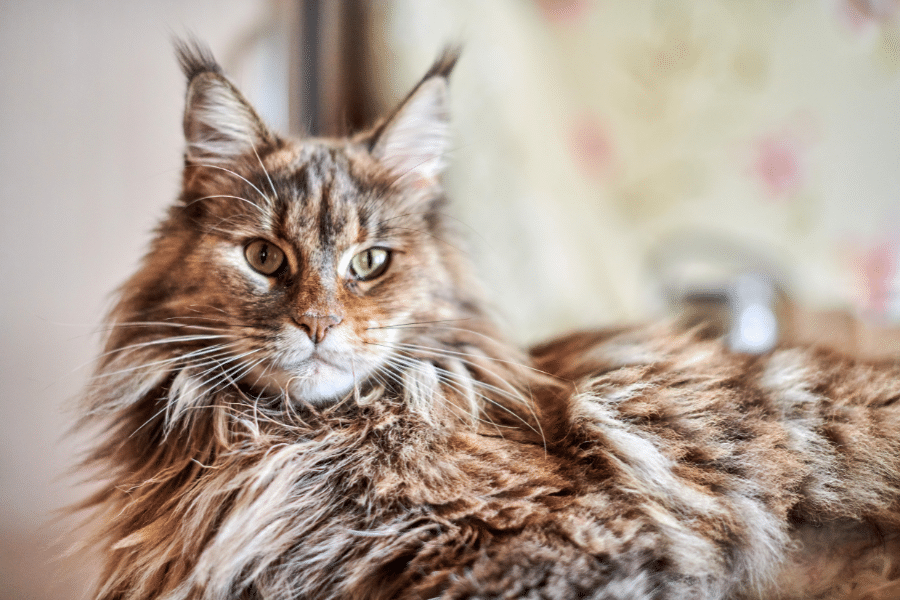


As pets age, their healthcare needs change. Senior pet care requires more than routine checkups; it calls for a proactive, experts approach focused on comfort, early disease detection, and quality of life. If you’re searching for an animal hospital near you that have expertise in geriatric medicine in Sparta, this guide will help you understand what to look for and why expert senior care makes all the difference.
We’ll cover when pets are considered seniors, common health issues in aging dogs and cats, what to expect from a geriatric veterinary visit, and how to choose the right local hospital for your furry companion.
What Is Senior Pet Care and When Is a Pet Considered “Senior”?
Senior pet care refers to veterinary services tailored specifically for aging dogs and cats. While every pet ages differently, most are considered seniors around:
- Dogs: 7–10 years old (large breeds age faster than small breeds)
- Cats: Around 10 years old
Many pet parents are surprised by how quickly their once-energetic companions slow down. Aging isn’t a disease, but it does increase the risk of certain conditions.
Common signs your pet may be entering their senior years include:
- Slower movement or stiffness
- Weight gain or unexplained weight loss
- Changes in appetite or drinking habits
- Increased sleeping
- Cloudy eyes or hearing loss
- Behavior changes, including confusion
Early recognition is key; a trusted animal hospital near you that offers geriatric medicine can catch issues before they become serious.
Why Geriatric Medicine Matters?
Senior pets require more detailed monitoring than younger animals. Geriatric medicine focuses on:
- Early disease detection
- Pain management
- Mobility support
- Nutritional adjustments
- Quality-of-life planning
In Sussex County communities like Sparta, Ogdensburg, and Andover, many families treat pets as lifelong companions, that means extending not just lifespan but healthspan.
A hospital having expertise in senior pet care will typically recommend:
- Semi-annual wellness exams
- Routine bloodwork and urinalysis
- Blood pressure monitoring
- Dental evaluations
- Weight and body condition tracking
These proactive steps can identify kidney disease, arthritis, diabetes, heart disease, thyroid disorders, and even certain cancers before obvious symptoms appear.
Common Health Conditions in Senior Dogs and Cats
Understanding common geriatric conditions helps you ask the right questions when choosing an animal hospital near you.
1. Arthritis and Joint Pain
Arthritis affects up to 80% of dogs over age 8. Cats often hide discomfort, making diagnosis tricky.
Signs include:
- Reluctance to jump or climb stairs
- Limping
- Difficulty standing
Treatment may involve anti-inflammatory medications, joint supplements, laser therapy, or weight management.
2. Kidney Disease
Especially common in senior cats, chronic kidney disease develops gradually.
Watch for:
- Increased thirst
- Frequent urination
- Weight loss
Routine bloodwork is essential for early detection.
3. Heart Disease
Older pets may develop murmurs or heart enlargement. Coughing, fatigue, and breathing changes should never be ignored.
4. Cognitive Dysfunction
Sometimes called “pet dementia,” cognitive decline can cause confusion, pacing, and nighttime restlessness.
A geriatric-focused hospital will help you manage these changes with medication and environmental adjustments.
What to Expect at a Senior Pet Wellness Visit?
When you schedule senior pet care at a local veterinary hospital, the appointment is typically more comprehensive than a standard annual exam.
Here’s what’s often included:
- Thorough nose-to-tail physical exam
- Orthopedic evaluation for joint pain
- Dental check
- Lab testing (blood, urine, possibly thyroid testing)
- Weight and muscle mass assessment
- Nutritional counseling
- Discussion of lifestyle and home environment
In a close-knit community like Sparta, where many homes have stairs, large yards, or wooded trails, your veterinarian may also recommend environmental modifications to prevent injuries.
How to Find an Expert Animal Hospital in Senior Pet Care
Not every veterinary clinic offers the same level of geriatric expertise. When searching for the right provider, consider the following factors:
1. Experience with Senior Pets
Ask how often they treat aging dogs and cats. Do they offer senior wellness packages?
2. Advanced Diagnostic Capabilities
Look for access to:
- In-house laboratory testing
- Digital X-rays
- Ultrasound
- Blood pressure monitoring
Early diagnosis depends on modern tools.
3. Pain Management Options
A strong senior pet care program includes multiple pain relief strategies, medication, supplements, therapy, and lifestyle changes.
4. Compassionate Communication
Senior pet care often includes difficult conversations about chronic disease or end-of-life decisions. Choose a hospital that listens and supports you.
Pet parents throughout Sparta, Lake Mohawk, and Lafayette often value personalized care. At Highlands Veterinary Hospital, the focus is on building long-term relationships so aging pets receive thoughtful, individualized treatment.
The Importance of Preventive Care
Sparta’s seasonal climate cold winters and humid summers, can affect senior pets more than younger ones.
- Winter: Arthritis pain may worsen in cold weather.
- Summer: Senior pets are more prone to dehydration and heat stress.
- Tick Season: Older pets may have weaker immune responses to tick-borne illnesses common in northern New Jersey.
Regular senior checkups ensure your pet is prepared for seasonal risks specific to our region.
Nutrition and Weight Management for Aging Pets
Diet plays a central role in senior pet care.
As pets age, their metabolism slows. Maintaining a healthy weight helps reduce strain on joints and internal organs.
Your veterinarian may recommend:
- Senior-formulated diets
- Prescription kidney or cardiac diets (if needed)
- Joint-support supplements
- Calorie-controlled feeding plans
Even a small amount of excess weight can significantly impact mobility in senior dogs.
Supporting Quality of Life at Home
Geriatric medicine doesn’t stop at the clinic. Simple home adjustments can improve comfort dramatically:
- Orthopedic pet beds
- Non-slip rugs on hardwood floors
- Ramps instead of stairs
- Elevated food and water bowls
- Litter boxes with low sides for senior cats
Small changes can prevent falls and reduce pain.
If you live in multi-level homes common around Lake Mohawk, consider limiting stair access for arthritic pets.
When to Increase Veterinary Visits?
Senior pets typically benefit from exams every six months rather than annually.
You should schedule an appointment sooner if you notice:
- Sudden behavior changes
- Appetite loss lasting more than 24 hours
- Persistent coughing
- Difficulty breathing
- Sudden weight changes
- Increased drinking or urination
Prompt care can make a significant difference in outcomes.
Senior pet care is about more than managing age; it’s about protecting your pet’s comfort, dignity, and happiness during their golden years. Finding an animal hospital near you that has expertise in geriatric medicine ensures early detection of disease, effective pain management, and personalized support.
If you’re in Sparta, NJ, or nearby communities, prioritize a veterinary team experienced in senior wellness and compassionate long-term care. Schedule a senior wellness exam today and give your aging companion the attentive care they deserve. Book an appointment at The Highlands Veterinary Hospital and let’s help your senior pet thrive.
FAQs
Q1: At what age should I start senior pet care for my dog or cat?
Ans: Most dogs are considered seniors around 7–10 years old, and cats around 10 years old. Starting senior wellness exams at this stage helps detect problems early.
Q2: How often should senior pets visit an animal hospital near me?
Ans: Senior pets typically need exams every six months to monitor for age-related diseases and adjust treatment plans as needed.
Q3: What tests are recommended for senior pet care?
Ans: Routine bloodwork, urinalysis, blood pressure checks, and sometimes X-rays are commonly recommended to screen for kidney, heart, and metabolic conditions.
Q4: Is arthritis treatable in senior dogs and cats?
Ans: Yes, arthritis can be managed with medication, weight control, joint supplements, and supportive therapies to improve mobility and comfort.
Q5: How do I know if my pet needs geriatric medicine?
Ans: If your pet is slowing down, showing behavior changes, drinking more water, or losing weight, it’s time to consult an animal hospital that has the expertise in senior pet care.