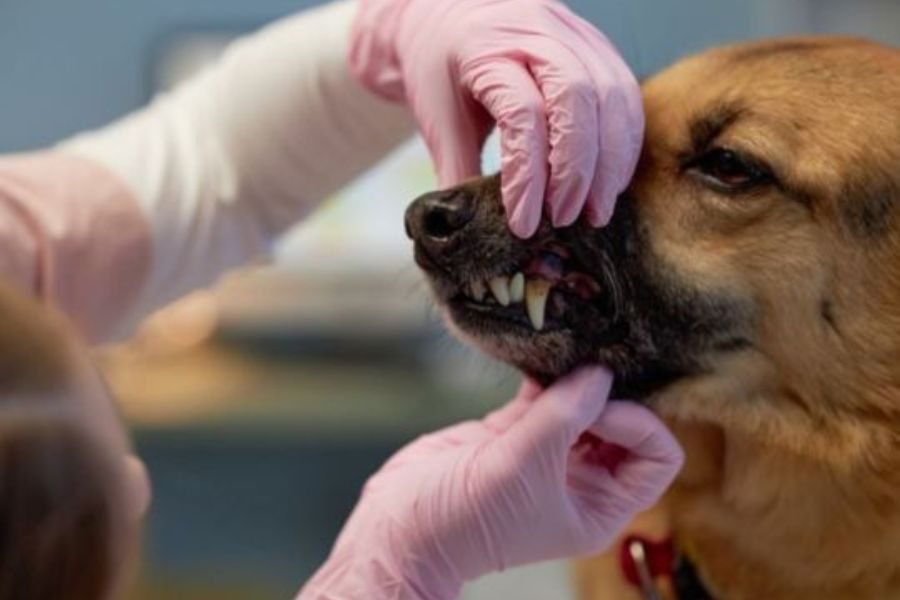

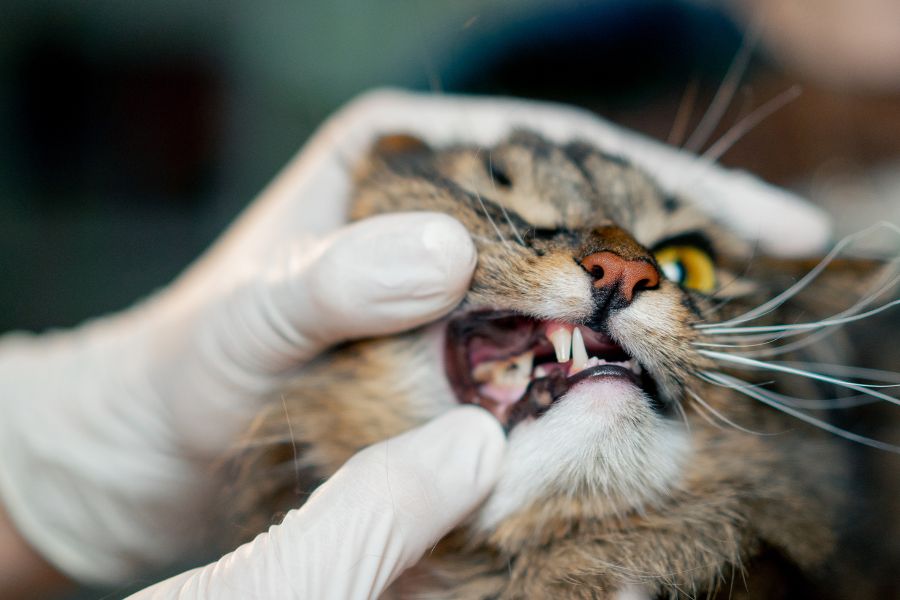
Pet dental disease is one of the most common health problems in dogs and cats, yet many pet owners do not notice it until serious symptoms appear. Bad breath, swollen gums, and yellow teeth may seem minor at first, but untreated dental disease can lead to pain, tooth loss, infections, and even damage to major organs.
In this guide, you’ll learn the truth about pet dental disease, the warning signs to watch for, what happens if it goes untreated, and how regular dental care can help your pet live a healthier, more comfortable life.
What Is Pet Dental Disease
Pet dental disease is a progressive condition caused by plaque and tartar buildup on your pet’s teeth. Over time, bacteria collect around the gums and create inflammation, infection, and damage to the tissues supporting the teeth.
The most common form is periodontal disease, which affects the gums and bone around the teeth. Studies show that by age three, most dogs and cats already have some level of dental disease.
Dental disease develops in stages:
- Plaque forms on the teeth
- Plaque hardens into tartar
- Gums become inflamed (gingivitis)
- Infection spreads below the gumline
- Teeth loosen or fall out
Without treatment, the condition becomes painful and can affect your pet’s overall health.
Common Signs of Dental Disease in Pets
Many pets hide discomfort well, so symptoms are often missed until the disease becomes advanced.
Here are some common warning signs:
- Persistent bad breath
- Yellow or brown tartar on teeth
- Red, swollen, or bleeding gums
- Drooling more than normal
- Difficulty chewing food
- Pawing at the mouth
- Loose or missing teeth
- Reduced appetite
- Facial swelling
- Behavioral changes or irritability
Cats, in particular, can be very subtle when experiencing oral pain. A cat that suddenly avoids dry food or stops grooming may have dental problems.
What Happens If You Ignore Pet Dental Disease
Ignoring pet dental disease can lead to much more than dirty teeth. The condition worsens over time and can seriously impact your pet’s quality of life.
Chronic Pain and Discomfort
Dental disease is painful. Infected gums and damaged teeth can make eating uncomfortable every day. Many pets continue eating despite pain, which makes owners think everything is normal.
Signs of chronic oral pain may include:
- Eating slowly
- Chewing on one side
- Dropping food while eating
- Avoiding hard treats
- Increased irritability
Pain can gradually reduce your pet’s activity level and overall happiness.
Tooth Loss and Gum Damage
As dental disease progresses, bacteria destroy the tissues that hold teeth in place. This can cause:
- Loose teeth
- Gum recession
- Tooth root exposure
- Tooth loss
Once the supporting bone is damaged, it cannot fully regenerate. Severe periodontal disease may require multiple tooth extractions to relieve pain and stop infection.
Infections Can Spread Through the Body
One of the biggest dangers of untreated dental disease is the spread of bacteria into the bloodstream.
Bacteria from infected gums can travel to major organs, including:
- Heart
- Liver
- Kidneys
This may contribute to serious health problems over time, especially in older pets or those with existing medical conditions.
Research has shown links between severe periodontal disease and heart complications in dogs. Keeping your pet’s mouth healthy also supports their overall wellness.
Abscesses and Advanced Oral Disease
Untreated infections can form painful abscesses around the teeth or jaw. These infections may cause:
- Swelling under the eyes
- Pus drainage
- Bleeding
- Fever
- Severe pain
Advanced oral disease can even weaken the jawbone in small dog breeds, increasing the risk of fractures.
In cats, dental disease may also be associated with painful conditions like tooth resorption, where the tooth structure slowly breaks down.
Why Professional Dental Cleanings Matter
Brushing your pet’s teeth at home is helpful, but it cannot fully remove hardened tartar below the gumline.
Professional dental cleanings allow veterinarians to:
- Remove plaque and tartar
- Clean below the gums
- Check for hidden disease
- Take dental X-rays
- Identify damaged teeth
- Treat infections early
Dental X-rays are especially important because much of dental disease happens below the surface, where it cannot be seen during a basic exam.
Routine cleanings can prevent more serious and expensive problems later.
How Often Should Pets Get Dental Exams
Most pets should receive a dental evaluation during their yearly wellness exam. Some pets may need more frequent care depending on their breed, age, and dental history.
Pets at higher risk include:
- Small dog breeds
- Flat-faced breeds
- Senior pets
- Pets with crowded teeth
- Cats prone to dental disease
Your veterinarian can recommend an appropriate dental care schedule based on your pet’s specific needs.
How to Prevent Pet Dental Disease at Home
Preventive care makes a major difference in reducing plaque buildup and slowing dental disease progression.
Brush Your Pet’s Teeth Regularly
Daily brushing is the gold standard for dental care. Use:
- Pet-safe toothpaste
- A soft toothbrush or finger brush
Never use human toothpaste because it may contain ingredients toxic to pets.
Use Veterinary Dental Products
Helpful dental products may include:
- Dental chews
- Water additives
- Dental diets
- Oral rinses
Look for products approved by veterinary dental organizations whenever possible.
Schedule Regular Veterinary Checkups
Routine exams help detect dental disease before it becomes severe. Early treatment is usually less invasive and more affordable.
The Long-Term Benefits of Dental Care
Good dental care does more than improve your pet’s breath. It can help support:
- Better appetite
- Reduced pain
- Healthier gums and teeth
- Improved quality of life
- Better overall health
- Longer lifespan
Many pet owners notice positive changes after dental treatment, including increased energy and improved mood.
When to See a Veterinarian
You should schedule a veterinary appointment if your pet shows signs such as:
- Bad breath
- Bleeding gums
- Trouble eating
- Excessive drooling
- Loose teeth
- Swelling around the mouth
Early care can prevent more serious complications and help keep your pet comfortable.
Conclusion
Ignoring pet dental disease can lead to painful infections, tooth loss, and health complications that affect your pet’s entire body. The good news is that regular dental exams, professional cleanings, and simple home care routines can dramatically reduce these risks. Protecting your pet’s oral health is an important part of helping them live a longer, happier life. If your pet is showing signs of dental disease or is due for a dental checkup, contact a reliable vet near you, Highlands Veterinary Hospital in Sparta, NJ, to schedule an appointment today.
FAQs
Q1: What causes pet dental disease?
Ans: Pet dental disease is caused by plaque and tartar buildup that allows bacteria to infect the gums and surrounding tissues.
Q2: Is bad breath in pets a sign of dental disease?
Ans: Yes, persistent bad breath is one of the most common signs of dental disease in dogs and cats.
Q3: Can dental disease shorten a pet’s life?
Ans: Severe untreated dental disease can contribute to infections and organ damage, which may negatively affect a pet’s long-term health.
Q4: How often should pets get professional dental cleanings?
Ans: Most pets benefit from yearly dental evaluations, though some may need more frequent cleanings depending on their oral health.
Q5: Can I prevent pet dental disease at home?
Ans: Yes, regular tooth brushing, dental chews, and routine veterinary exams can help prevent plaque buildup and reduce dental disease risk.