

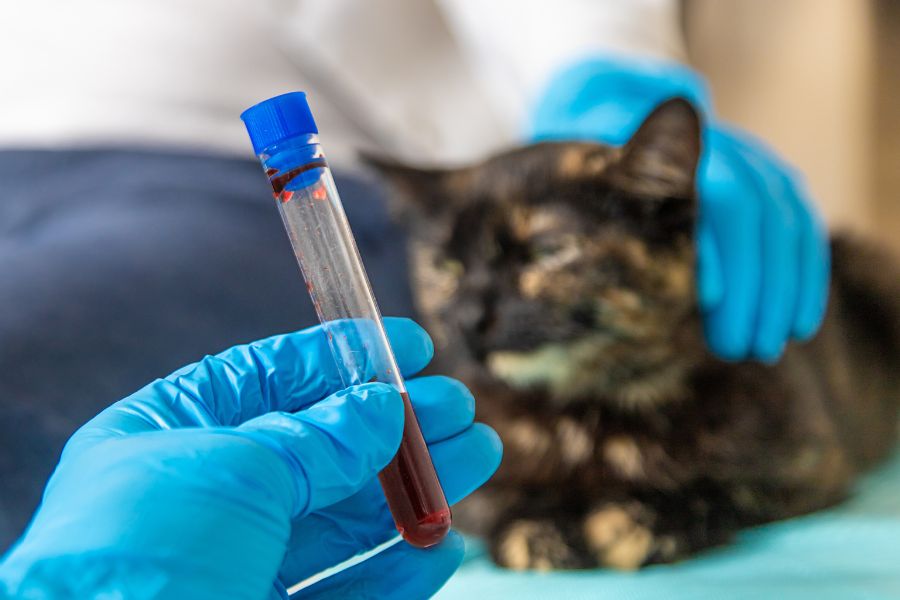
When your pet is sick, acting differently, or due for a wellness visit, your veterinarian may recommend diagnostic tests to find answers quickly and accurately. These tests help detect illness early, monitor ongoing conditions, and guide the best treatment plan for your dog or cat. In this guide, you’ll learn about the most common diagnostic tests for pets, what they reveal, and why they matter for your pet’s long-term health.
What Are Diagnostic Tests for Pets
Diagnostic tests are medical tools veterinarians use to evaluate your pet’s health. They can confirm a disease, rule out problems, monitor treatment progress, or identify issues before symptoms become serious.
Pets cannot explain pain, nausea, fatigue, or discomfort. That is why testing plays such an important role in veterinary medicine. A pet may seem fine on the outside while an internal issue is developing.
Common reasons your veterinarian may suggest testing include:
- Vomiting or diarrhea
- Weight loss or appetite changes
- Lethargy
- Limping or pain
- Increased thirst or urination
- Routine senior wellness checks
- Pre-surgery screening
Blood Tests, One of the Most Common Diagnostic Tests
Bloodwork is one of the most valuable diagnostic tests for pets. It gives veterinarians a clear picture of internal organ function and overall health.
Complete Blood Count (CBC)
A CBC checks the cells in your pet’s blood, including:
- Red blood cells, which carry oxygen
- White blood cells, which fight infection
- Platelets, which help blood clot
This test can help detect:
- Anemia
- Infection
- Inflammation
- Immune disorders
- Bleeding problems
Blood Chemistry Panel
A chemistry panel evaluates organ function and body balance. It often checks:
- Liver values
- Kidney values
- Blood sugar
- Electrolytes
- Protein levels
This is commonly recommended for sick pets, senior pets, and before anesthesia.
Urinalysis, Important for Kidney and Bladder Health
A urinalysis examines your pet’s urine for signs of disease. It is one of the most useful diagnostic tests when pets have urinary symptoms or changes in drinking habits.
This test can reveal:
- Urinary tract infections
- Kidney disease
- Diabetes
- Bladder stones
- Dehydration
- Protein loss
If your dog is having accidents indoors or your cat is visiting the litter box often, a urinalysis may be recommended right away.
Fecal Testing for Parasites and Digestive Problems
Parasites are common in pets, even indoor animals. Fecal exams check stool samples for intestinal worms and microscopic parasites.
Common parasites found through testing include:
- Roundworms
- Hookworms
- Whipworms
- Giardia
- Coccidia
Many parasites can spread to other pets and sometimes people. Routine fecal diagnostic tests are especially important for puppies, kittens, and pets with diarrhea.
X-Rays and Imaging Tests
Imaging allows veterinarians to see inside the body without surgery. These diagnostic tests are often used when pets are injured, limping, coughing, or showing abdominal pain.
X-Rays (Radiographs)
X-rays help evaluate:
- Broken bones
- Arthritis
- Lung disease
- Enlarged organs
- Foreign objects swallowed by pets
- Bladder stones
Ultrasound
Ultrasound uses sound waves to create real-time images of soft tissues. It is often used to examine:
- Liver
- Kidneys
- Spleen
- Bladder
- Pregnancy
- Masses or tumors
Unlike X-rays, ultrasound is excellent for looking at internal organs and fluid movement.
Skin and Ear Diagnostic Tests
Many pets suffer from itchy skin, hair loss, or recurring ear infections. These issues often need simple in-clinic diagnostic tests.
Skin Scraping
A veterinarian gently collects skin cells to look for mites or infections.
Cytology
Samples from skin, ears, or lumps are viewed under a microscope to identify:
- Bacteria
- Yeast
- Inflammatory cells
- Abnormal cells
These tests help choose the right treatment instead of guessing.
Heartworm and Tick-Borne Disease Testing
Dogs especially benefit from annual blood screening for heartworm disease and common tick-borne illnesses.
These tests may detect:
- Heartworm infection
- Lyme disease
- Ehrlichia
- Anaplasma
Many of these diseases can be serious if untreated. Early detection improves outcomes significantly.
Thyroid and Hormone Testing
Hormonal disorders are common in middle-aged and senior pets. Blood-based diagnostic tests can check for:
- Hypothyroidism in dogs
- Hyperthyroidism in cats
- Cushing’s disease
- Addison’s disease
- Diabetes
Symptoms like weight change, coat problems, excessive thirst, or low energy may lead your veterinarian to recommend hormone testing.
Why Early Testing Matters
Many pet owners wait until symptoms become severe. Unfortunately, pets often hide illness until the disease is advanced.
Early diagnostic tests can help:
- Catch the disease sooner
- Reduce treatment costs later
- Improve quality of life
- Prevent emergencies
- Extend lifespan
For example, early kidney disease may be manageable for years when found through routine screening.
Are Diagnostic Tests Safe for Pets
Most tests are safe, fast, and minimally invasive. Blood draws, urine samples, fecal checks, and imaging are common everyday procedures in veterinary hospitals. Some pets may need gentle restraint, mild sedation, or fasting beforehand, depending on the test. Your veterinary team will explain everything clearly before starting.
How Often Should Pets Have Diagnostic Tests
Testing schedules depend on your pet’s age, breed, and health history.
General Guidelines:
- Puppies and kittens: fecal exams, parasite testing, wellness screenings
- Healthy adults: annual wellness bloodwork may be recommended
- Senior pets: bloodwork and urinalysis every 6 to 12 months
- Chronic conditions: more frequent monitoring
Routine screening is especially helpful because many diseases start silently.
Understanding common diagnostic tests helps pet owners make confident healthcare decisions. From bloodwork and urinalysis to imaging and parasite checks, these tools allow veterinarians to diagnose problems early and create better treatment plans. If your pet is due for a checkup or showing unusual symptoms, schedule an appointment with The Highlands Veterinary Hospital in Sparta, NJ, for expert care and timely testing.
FAQs
Q1: What are the most common diagnostic tests for pets?
Ans: The most common diagnostic tests include bloodwork, urinalysis, fecal exams, X-rays, ultrasound, and skin or ear cytology.
Q2: How much do diagnostic tests for pets usually cost?
Ans: Costs vary by test type, location, and complexity. Basic bloodwork or fecal exams are usually less expensive than imaging or advanced hormone panels.
Q3: Does my healthy pet still need diagnostic tests?
Ans: Yes, routine diagnostic tests can catch hidden disease early, especially in senior pets.
Q4: Are blood tests painful for pets?
Ans: Most pets tolerate blood draws very well. The procedure is quick and similar to a routine needle stick.
Q5: How long do pet diagnostic test results take?
Ans: Some in-house tests provide same-day results, while specialized lab tests may take a few days.