

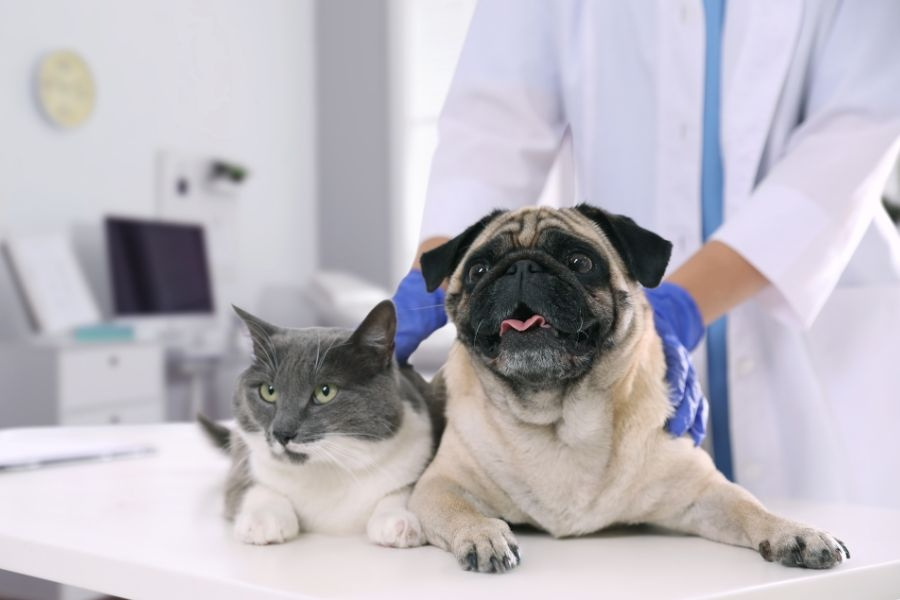
Your pet’s annual wellness exam is one of the most important steps you can take to protect their long-term health. These routine checkups help veterinarians catch early signs of illness, monitor weight and behavior changes, and keep vaccinations and preventive care up to date. In this guide, you’ll learn what happens during your pet’s annual wellness exam, why these visits matter for both cats and dogs, and how regular preventive care can help your furry companion live a healthier, happier life.
Why Annual Wellness Exams Matter?
A pet’s health can change quickly, even if they seem perfectly fine at home. Dogs and cats naturally hide pain and illness, which means problems can go unnoticed until they become more serious.
An annual wellness exam allows your veterinarian to:
- Detect health concerns early
- Track changes in weight and body condition
- Update vaccinations
- Recommend parasite prevention
- Monitor dental health
- Discuss nutrition and lifestyle habits
- Create a preventive care plan
Routine exams are often the best way to identify issues like arthritis, diabetes, kidney disease, heart problems, or dental disease before symptoms become severe.
What Happens During Your Pet’s Annual Wellness Exam?
Every veterinary clinic may have a slightly different process, but most wellness exams follow a similar structure.
Review of Medical History
Your veterinarian will begin by asking questions about your pet’s overall health and behavior. This conversation helps identify subtle changes that may need further attention.
You may be asked about:
- Appetite and water intake
- Energy levels
- Bathroom habits
- Weight changes
- Medications or supplements
- Mobility or stiffness
- Skin issues or itching
- Behavioral changes
Be honest and detailed, even if something seems minor. Small observations can provide important clues.
Physical Examination
The hands-on physical exam is the core of your pet’s annual wellness exam. Your veterinarian will examine your pet from nose to tail.
Weight and Body Condition
Maintaining a healthy weight is critical for preventing conditions like joint disease, diabetes, and heart problems.
Your veterinarian will evaluate:
- Current weight
- Body fat percentage
- Muscle condition
- Overall body shape
Even small weight gain over time can affect your pet’s health.
Eyes, Ears, and Nose
Your veterinarian checks for signs of infection, inflammation, discharge, or abnormalities.
Common concerns include:
- Ear infections
- Cataracts
- Allergies
- Eye irritation
- Nasal discharge
Healthy eyes and ears are important indicators of overall wellness.
Heart and Lungs
Using a stethoscope, the veterinarian listens for:
- Heart murmurs
- Irregular heart rhythms
- Lung sounds
- Breathing abnormalities
Early heart disease may not show visible symptoms, which makes routine exams especially valuable.
Mouth and Teeth
Dental disease is one of the most common health problems in pets. During the exam, your veterinarian checks for:
- Tartar buildup
- Gum inflammation
- Broken teeth
- Bad breath
- Oral masses
Untreated dental disease can lead to pain, infection, and damage to organs like the heart and kidneys.
Skin and Coat Evaluation
Your pet’s skin and coat provide important clues about their health.
The veterinarian may look for:
- Hair loss
- Dry skin
- Hot spots
- Fleas or ticks
- Lumps and bumps
- Allergies
If your pet has unusual itching or skin irritation, this is a good time to discuss it.
Joint and Mobility Assessment
As pets age, arthritis and joint stiffness become more common. Your veterinarian may observe how your pet walks, stands, and moves.
Signs of joint issues include:
- Difficulty jumping
- Limping
- Slower movement
- Trouble climbing stairs
- Reduced activity
Early treatment can improve comfort and mobility significantly.
Parasite Screening and Prevention
Even indoor pets can be exposed to parasites. During the wellness visit, your veterinarian may recommend testing and preventive care for:
- Heartworms
- Fleas
- Ticks
- Intestinal parasites
Routine stool testing helps identify hidden infections that may affect both pets and humans.
Bloodwork and Diagnostic Testing
Annual lab work helps veterinarians detect internal health problems before symptoms appear.
Common wellness tests may include:
- Complete blood count (CBC)
- Blood chemistry panel
- Urinalysis
- Heartworm testing
- Fecal testing
Senior pets often benefit from more comprehensive screening because age-related diseases become more common over time.
Nutrition and Weight Counseling
Nutrition plays a major role in your pet’s overall health. Your veterinarian may discuss:
- Diet quality
- Portion sizes
- Treat intake
- Weight management
- Food allergies
- Age-specific nutrition
If your pet is overweight or underweight, your vet can recommend a safe feeding plan.
Behavioral and Lifestyle Discussions
Behavioral changes can sometimes indicate medical issues. Wellness exams are a good opportunity to discuss concerns such as:
- Anxiety
- Excessive barking
- Litter box problems
- Aggression
- Separation anxiety
- Sleep changes
Your veterinarian may suggest training strategies, environmental changes, or additional testing if needed.
How to Prepare for Your Pet’s Wellness Exam?
A little preparation can help the appointment go smoothly.
Bring Important Information
Before the visit, gather:
- Current medications
- Vaccine records
- Diet information
- Questions or concerns
Collect a Stool Sample if Requested
Some clinics ask for a fresh stool sample for parasite testing.
Keep Your Pet Calm
Use a secure carrier for cats and a leash for dogs. Bringing treats or familiar toys can also help reduce stress.
How Often Should Pets Have Wellness Exams?
Most healthy adult pets should have a wellness exam once a year. However, puppies, kittens, senior pets, and pets with chronic health conditions may need more frequent visits.
General recommendations include:
- Puppies and kittens: Every few weeks during early development
- Adult pets: Annually
- Senior pets: Every 6 months
Regular checkups help build a health history that allows your veterinarian to spot changes earlier.
Benefits of Preventive Veterinary Care
Preventive care is often less expensive and more effective than treating advanced illness later.
Benefits of routine wellness exams include:
- Early disease detection
- Longer lifespan
- Better quality of life
- Lower long-term healthcare costs
- Personalized care recommendations
Consistent veterinary care gives pets the best chance at staying healthy through every life stage.
Conclusion
Your pet’s annual wellness exam is more than just a routine appointment. It is a complete health evaluation designed to catch problems early, support preventive care, and help your pet enjoy a long, comfortable life. From vaccinations and dental checks to nutrition and lab testing, these yearly visits are an essential part of responsible pet ownership. If your furry friend is due for a checkup, schedule an appointment with your veterinarian in Sparta at The Highlands Veterinary Hospital and give your pet the proactive care they deserve.
FAQs
Q1: What is included in a pet wellness exam?
Ans: A pet wellness exam usually includes a physical examination, weight check, vaccine review, parasite screening, dental evaluation, and discussions about nutrition and behavior.
Q2: How long does a pet wellness exam take?
Ans: Most annual wellness exams take between 30 and 60 minutes, depending on your pet’s health needs and whether diagnostic tests are performed.
Q3: Does my indoor cat still need an annual wellness exam?
Ans: Yes, indoor cats can still develop health problems like dental disease, obesity, arthritis, and kidney disease, making routine wellness exams very important.
Q4: Why does my veterinarian recommend annual bloodwork?
Ans: Annual bloodwork helps detect hidden health issues early, including liver disease, kidney disease, diabetes, and infections before symptoms become obvious.
Q5: How often should senior pets see the vet?
Ans: Senior pets should ideally have wellness exams every six months because aging pets are more likely to develop chronic health conditions that benefit from early monitoring.
