

A diagnosis of diabetes can feel overwhelming for any pet owner, but it does not mean your dog or cat cannot continue living a happy and active life. With early diagnosis, proper treatment, and consistent monitoring, many pets with diabetes enjoy excellent quality of life for years. Understanding pet diabetes from a vet near you helps you recognize the early warning signs and know what to expect if your pet is diagnosed. At The Highlands Veterinary Hospital, many families are surprised to learn that increased thirst or unexplained weight loss can be signs of diabetes. This guide explains how veterinarians diagnose diabetes, available treatment options, and how long-term care helps keep pets healthy and comfortable.
What Is Pet Diabetes and How Is It Diagnosed
Pet diabetes is a disease that affects your pet’s ability to regulate blood sugar. Normally, insulin helps move glucose from the bloodstream into the body’s cells to be used for energy. When insulin is not produced in adequate amounts or does not work properly, blood sugar remains too high. Early diagnosis is important because untreated diabetes can lead to serious complications.
Your veterinarian will begin by discussing your pet’s recent symptoms and performing a complete physical examination.
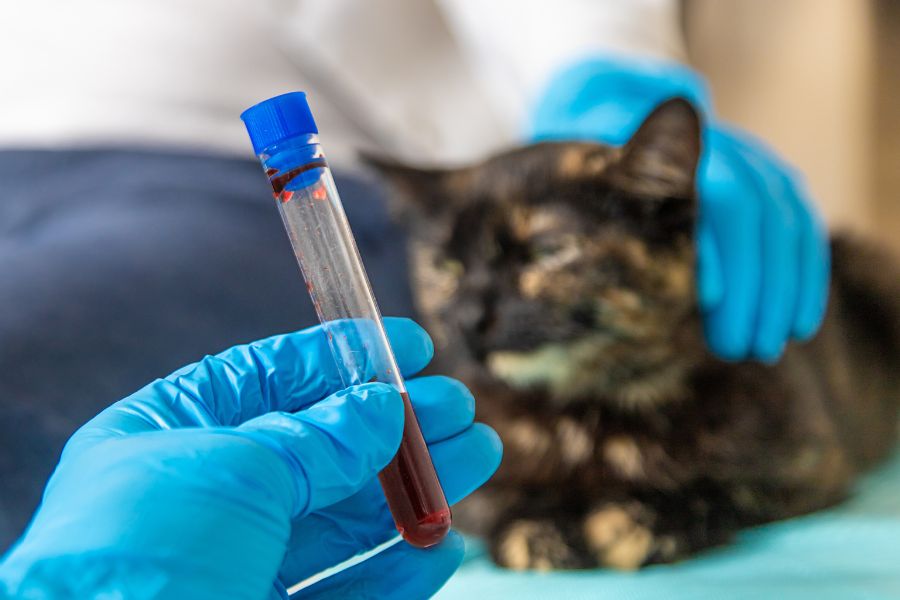
Diagnostic testing commonly includes:
- Blood glucose testing.
- Urinalysis.
- Blood work to evaluate overall health.
- Additional testing if another illness is suspected.
These diagnostic tests help confirm diabetes while also ruling out other conditions that may cause similar symptoms. This Because increased thirst and frequent urination can occur with several illnesses, laboratory testing is essential for making an accurate diagnosis.
Common Signs of Diabetes in Dogs and Cats
Many pets develop symptoms gradually, making them easy to overlook during the early stages.
One of the first changes owners often notice is that the water bowl needs to be refilled more often.
Common signs include:
- Increased thirst.
- Frequent urination.
- Increased appetite.
- Weight loss despite eating well.
- Low energy.
- Poor coat quality.
- Weakness.
Some dogs may also develop cloudy eyes over time.
Cats with diabetes sometimes develop weakness in their back legs, making it harder to jump onto furniture or climb stairs. If your pet develops several of these signs together, promptly scheduling a veterinary examination allows treatment to begin before complications worsen.
How Is Pet Diabetes Treated
Treatment focuses on controlling blood sugar while helping your pet return to a comfortable daily routine.
Because every pet is different, treatment plans are individualized.
Depending on your pet’s condition, treatment may include:
- Insulin therapy.
- A consistent feeding schedule.
- Dietary recommendations.
- Regular blood glucose monitoring.
- Routine veterinary rechecks.
Your veterinarian in Sparta will explain how to administer insulin, monitor your pet at home, and recognize changes that may indicate treatment adjustments are needed. Consistency plays an important role in successful diabetes management. Giving meals and insulin at the same time every day helps maintain more stable blood sugar levels.
What Does Long-Term Diabetes Care Look Like
Diabetes management continues throughout your pet’s life, but many owners quickly become comfortable with the routine.
Regular follow-up visits help your veterinarian evaluate how well treatment is working.
During these appointments, your veterinary team may:
- Review changes in thirst and urination.
- Check body weight.
- Evaluate appetite.
- Perform blood glucose testing.
- Adjust insulin if needed.
Monitoring allows small changes to be addressed before they become larger health concerns.
A realistic example
Imagine Bailey, a ten-year-old mixed breed dog, begins drinking much more water than usual and asks to go outside several extra times each day. Her family also notices she is losing weight even though she finishes every meal.
After diagnostic testing confirms diabetes, Bailey begins insulin therapy and follows a consistent feeding schedule. Over the next several weeks, her energy improves, her water intake returns closer to normal, and she enjoys her daily walks again. Although this is a hypothetical example, it reflects the positive outcome many diabetic pets experience when treatment begins early and remains consistent.
What Pet Owners Can Do at Home
Caring for a pet with diabetes is a daily commitment, but it quickly becomes part of your routine. Following your veterinarian’s recommendations consistently is one of the most important ways to help your pet stay healthy and reduce the risk of complications.
Simple habits can have a big impact on your pet’s long-term health.
You can support your pet by:
- Giving insulin exactly as prescribed.
- Feeding meals at the same times every day.
- Offering the recommended diet.
- Keeping fresh water available at all times.
- Maintaining a consistent exercise routine.
- Attending scheduled follow-up appointments.
It is also helpful to keep track of changes you notice at home.
Monitor your pet for:
- Increased thirst.
- Changes in appetite.
- Weight loss or unexpected weight gain.
- Changes in energy level.
- Vomiting.
- Weakness.
- Increased urination.
Keeping a written record of these observations allows your veterinarian to determine whether treatment is working as expected. Never change your pet’s insulin dose or feeding schedule without speaking with your veterinarian first. Even small adjustments can affect blood sugar control.
When to See a Vet and Why Early Treatment Matters
Pets with diabetes benefit from regular veterinary checkups, but some symptoms require immediate medical attention.
Contact your veterinarian promptly if your pet:
- Stops eating.
- Vomits repeatedly.
- Drinks much more water than usual.
- Appears unusually weak.
- Has difficulty walking.
- Becomes very sleepy or difficult to wake.
- Loses weight unexpectedly.
- Has trouble breathing.
- Collapses.
- Experiences seizures.
These signs may indicate that diabetes is not well controlled or that another illness has developed. Early treatment is important because uncontrolled diabetes can affect multiple organs and may become more difficult to manage if care is delayed. Routine wellness exams allow your veterinarian near you to identify changes early and adjust treatment before more serious complications develop. With proper management, many diabetic dogs and cats continue to enjoy a comfortable and active life for years after diagnosis.
Conclusion
A diagnosis of pet diabetes does not have to limit your pet’s quality of life. Early recognition of symptoms, accurate diagnosis, consistent treatment, and regular veterinary monitoring all work together to help diabetic pets remain healthy and active. Knowing what changes to watch for and following your veterinarian’s recommendations can make managing diabetes much more predictable and successful. At The Highlands Veterinary Hospital in Sparta, NJ, we work closely with families to develop individualized diabetes care plans that meet each pet’s unique needs. If your dog or cat is drinking more water than usual, losing weight, or showing other possible signs of diabetes, scheduling a veterinary examination promptly can help your pet receive the care they need as early as possible.
FAQs
Q1: What are the first signs of pet diabetes?
Ans: Early signs often include increased thirst, frequent urination, increased appetite, unexplained weight loss, and lower energy levels. These symptoms can develop gradually, so even small changes should be discussed with your veterinarian.
Q2: How is pet diabetes diagnosed?
Ans: Veterinarians diagnose diabetes using a physical examination, blood glucose testing, urinalysis, and other laboratory tests that help confirm the condition and evaluate your pet’s overall health.
Q3: Can dogs and cats live normal lives with diabetes?
Ans: Yes. Many pets with diabetes enjoy happy, active lives when they receive consistent insulin therapy, appropriate nutrition, regular monitoring, and routine veterinary care.
Q4: Will my pet need insulin for the rest of its life?
Ans: Many diabetic pets require long-term insulin therapy, although treatment plans vary depending on the individual pet and how well blood sugar levels are controlled. Your veterinarian will recommend the most appropriate plan.
Q5: When should I seek emergency care for a diabetic pet?
Ans: Seek immediate veterinary care if your pet stops eating, vomits repeatedly, becomes weak, collapses, has seizures, struggles to breathe, or shows sudden changes in behavior. Prompt treatment can help prevent serious complications.