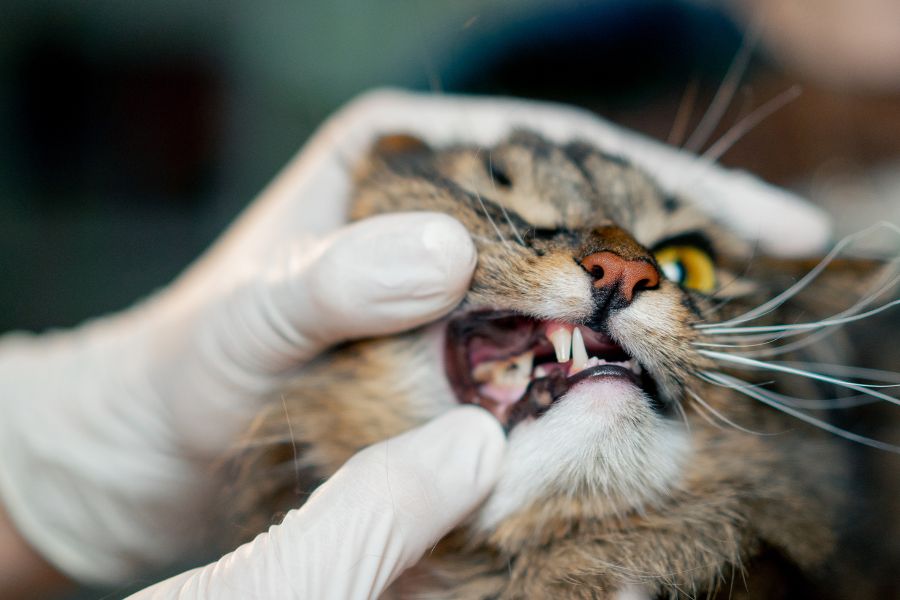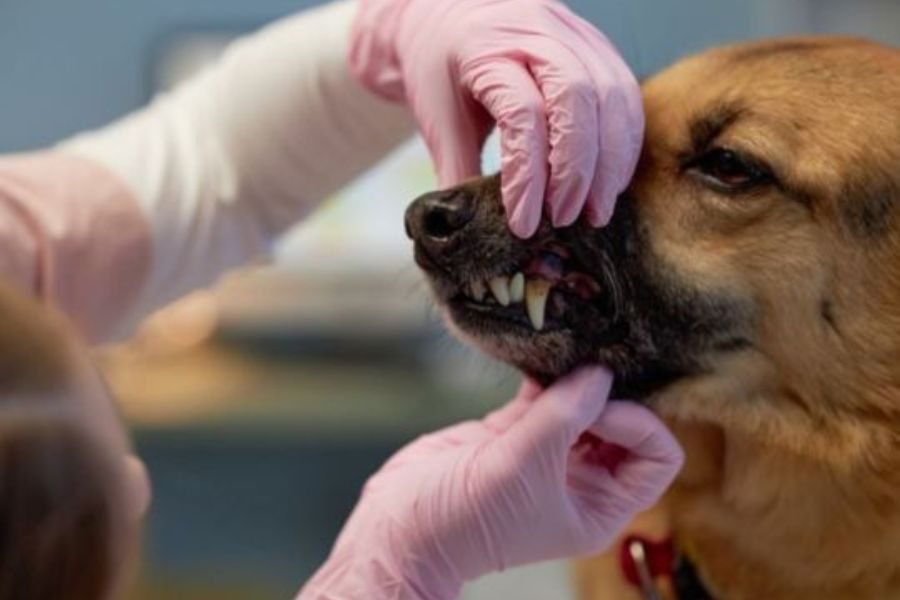


Your pet may still eat normally even when something is wrong with their mouth. That is one reason dental problems can go unnoticed for months. Plaque, tartar, gum inflammation, broken teeth, and other oral problems can cause pain and may affect your pet’s overall health if left untreated. Cats and dogs can develop many of the same dental conditions, although some problems are more common in one species than the other. At The Highlands Veterinary Hospital, Sparta, NJ, veterinary professionals can assess your pet’s mouth and recommend appropriate dental care. Learning the early warning signs can help you recognize a problem before it becomes more painful or difficult to treat.
What Are the Most Common Dental Issues in Pets?
Common dental issues in pets include plaque and tartar buildup, gingivitis, periodontal disease, fractured teeth, oral infections, and other painful mouth conditions. Some problems may be visible at home, while others can develop below the gumline and require a veterinary examination to identify.
| Dental Issue | What Happens | Common Warning Signs |
| Plaque | Bacteria form a sticky film over the teeth | Bad breath, visible buildup |
| Tartar | Hardened plaque attaches to teeth | Yellow or brown deposits |
| Gingivitis | Gums become inflamed | Red or swollen gums |
| Periodontal disease | Infection and inflammation affect tissues around teeth | Bad breath, loose teeth, discomfort |
| Broken teeth | Tooth structure becomes damaged | Difficulty chewing, sensitivity |
| Oral infection | Bacteria can affect damaged or diseased tissues | Swelling, pain, poor appetite |
| Tooth loss | Teeth may become loose or fall out | Difficulty eating, missing teeth |
Early evaluation can make dental problems easier to manage and may help prevent worsening disease.
How Does Plaque Turn Into Dental Disease?
Plaque begins as a thin layer of bacteria that forms on the teeth. When plaque is not removed, it can harden into tartar.
Tartar provides a rough surface where more bacteria can accumulate. Over time, inflammation can develop along the gumline.
The progression may look like:
- Plaque develops on the teeth.
- Plaque hardens into tartar.
- Gums become irritated and inflamed.
- Infection and inflammation can progress below the gumline.
- Supporting tissues around the teeth can become damaged.
- Teeth may become loose or painful.
This is why dental care is about more than keeping your pet’s teeth looking clean.
What Is Gingivitis in Dogs and Cats?
Gingivitis is inflammation of the gums. It is often associated with plaque and tartar buildup.
The gums may appear red, swollen, or irritated, particularly along the edges of the teeth.
Watch for:
- Red gums
- Swollen gums
- Bad breath
- Bleeding from the gums
- Dropping food
- Changes in chewing
- Reluctance to eat hard foods
Gingivitis should not be ignored. Without appropriate care, dental disease can progress and affect deeper tissues.
What Is Periodontal Disease?
Periodontal disease affects the structures that support the teeth. It can develop when dental plaque and inflammation are allowed to progress.
Pets with periodontal disease may have persistent bad breath, painful gums, loose teeth, or difficulty eating.
| Stage or Finding | Possible Changes |
| Early inflammation | Red or irritated gums |
| Increasing buildup | More tartar and stronger breath odor |
| Deeper disease | Gum recession and discomfort |
| Advanced disease | Loose or damaged teeth |
| Severe disease | Significant oral pain and tissue damage |
A dental examination is important because some periodontal problems occur below the gumline and cannot be fully assessed by simply looking at the visible teeth.
Why Does My Pet Have Bad Breath?
Bad breath is not something owners should automatically consider normal. Persistent unpleasant breath can be associated with plaque, tartar, gingivitis, periodontal disease, oral infection, or other health concerns.
Pay attention if bad breath occurs with:
- Red gums
- Tartar buildup
- Drooling
- Difficulty chewing
- Reduced appetite
- Pawing at the mouth
- Facial swelling
- Loose teeth
If your pet’s breath has recently become noticeably worse, a veterinary dental examination can help determine the cause.
What Dental Problems Are Common in Dogs?
Dogs can develop plaque and tartar buildup, gingivitis, periodontal disease, fractured teeth, and other oral problems. Chewing on very hard objects can also damage teeth.
Common concerns in dogs include:
| Problem | What Owners May Notice |
| Tartar buildup | Yellow or brown deposits |
| Gingivitis | Red or bleeding gums |
| Periodontal disease | Bad breath, loose teeth |
| Fractured teeth | Chewing changes or sensitivity |
| Oral infection | Swelling, pain, discharge |
| Loose teeth | Difficulty chewing or missing teeth |
A dog may continue eating despite significant oral discomfort, so appetite alone does not tell you whether the mouth is healthy.
What Dental Problems Are Common in Cats?
Cats can develop periodontal disease and other painful dental conditions. Some cats also develop tooth resorption, a condition in which parts of a tooth are gradually destroyed.
Tooth resorption can be painful, but cats may hide the discomfort.
Signs may include:
- Dropping food
- Chewing on one side
- Reduced interest in dry food
- Drooling
- Pawing at the mouth
- Bad breath
- Irritated gums
- Weight loss
- Becoming less interested in eating
A cat that suddenly changes eating habits deserves attention, particularly if the change persists.
How Can I Tell if My Pet Has a Broken Tooth?
A broken tooth may occur after chewing something hard, trauma, or other injury.
Not every fractured tooth looks dramatic from the outside. Some damage can be difficult to recognize without a thorough oral examination.
Possible signs include:
- Chewing differently
- Avoiding certain foods
- Dropping food
- Pawing at the mouth
- Excessive drooling
- Facial swelling
- Sensitivity around the mouth
- Reduced appetite
Do not try to examine a painful mouth aggressively at home. Your pet may react defensively because of discomfort.
Can Dental Problems Cause Pets to Stop Eating?
Yes. Oral pain can make chewing uncomfortable. However, some pets continue eating even when they have significant dental disease. Others may change the way they eat rather than completely refusing food.
Changes to watch for include:
- Eating more slowly
- Dropping food
- Chewing on one side
- Preferring softer foods
- Avoiding treats
- Drooling while eating
- Walking away from food
- Weight loss
A noticeable change in eating behavior is worth discussing with your veterinarian.
What Can Pet Owners Do to Support Dental Health?
Home dental care can help reduce plaque accumulation, but it should be combined with professional veterinary assessment.
Helpful habits include:
- Brush your pet’s teeth regularly when appropriate.
- Use pet-safe dental products.
- Introduce brushing gradually.
- Provide an appropriate diet.
- Monitor your pet’s breath and gums.
- Look for changes in chewing.
- Schedule routine veterinary examinations.
- Follow your veterinarian’s dental-care recommendations.
Never use human toothpaste for your pet unless your veterinarian specifically recommends a product. Some human dental products can contain ingredients that are unsafe for animals.
When Should My Pet See a Veterinarian for a Dental Problem?
Some dental problems can develop gradually, while others need prompt attention.
Schedule a veterinary examination if your pet has:
- Persistent bad breath
- Red or swollen gums
- Visible tartar
- Bleeding gums
- Difficulty chewing
- Drooling
- Loose teeth
- A broken tooth
- Reduced appetite
- Facial swelling
- Weight loss
Seek prompt veterinary care for:
- Severe oral pain
- Significant facial swelling
- Heavy bleeding
- Complete refusal to eat
- Severe weakness
- Signs of a serious mouth injury
A vet in Sparta can determine how urgently your pet needs treatment.
How Are Dental Problems Diagnosed?
A veterinarian will begin with an oral examination and review your pet’s symptoms and medical history. A complete assessment may require a more detailed dental examination, particularly when disease below the gumline is suspected.
| Assessment | What It Helps Identify |
| Visual oral examination | Visible plaque, tartar, gum changes |
| Gum assessment | Inflammation and periodontal concerns |
| Tooth examination | Fractures, damage, loose teeth |
| Dental imaging when appropriate | Problems below the gumline |
| Overall physical examination | Other health concerns associated with appetite or behavior changes |
The appropriate approach depends on your pet’s condition and individual needs.
What Treatment Might a Pet Need for Dental Disease?
Treatment depends on the type and severity of the dental problem. Mild gum inflammation may require a preventive dental-care plan, while more advanced disease may require professional dental treatment.
Veterinary dental care may include:
- Professional dental cleaning
- Removal of tartar
- Dental imaging
- Treatment of diseased teeth
- Extraction of severely damaged teeth when necessary
- Pain management
- Home dental-care recommendations
Your veterinarian will explain the findings and discuss the most appropriate pet dental care for your pet.
Hypothetical Example: A Dog With “Normal” Appetite
Imagine a seven-year-old dog named Bailey whose owner notices increasingly strong breath but assumes it is simply normal for an older dog. Bailey continues eating, but during an examination, the veterinarian notices significant tartar and inflamed gums.
A closer dental assessment identifies areas that need professional care. After treatment and a recommended home-care routine, Bailey’s owner has a clearer understanding of how to monitor dental health. This hypothetical example highlights an important point: a normal appetite does not necessarily mean your pet has a healthy mouth.
Conclusion
Dental disease is common in dogs and cats, but it should not be considered a normal part of getting older. Plaque, tartar, gingivitis, periodontal disease, fractured teeth, oral infections, and tooth resorption can cause discomfort and affect how your pet eats and behaves. Watch for bad breath, red gums, drooling, chewing changes, loose teeth, and other warning signs. Regular veterinary examinations and appropriate home dental care can help identify and manage problems earlier. The Highlands Veterinary Hospital, Sparta, NJ can assess your pet’s oral health and recommend dental care suited to their needs. If you notice a sudden or persistent change in your pet’s mouth or eating habits, contact your veterinarian.
FAQs
Q1: What are the most common dental issues in pets?
A: Common problems include plaque, tartar, gingivitis, periodontal disease, fractured teeth, oral infections, and tooth loss. Cats can also develop painful tooth resorption.
Q2: Is bad breath normal for dogs and cats?
A: Persistent bad breath should not simply be considered normal. It can be a sign of plaque, tartar, gum disease, infection, or another oral problem that needs veterinary attention.
Q3: How can I tell if my pet has dental pain?
A: Signs can include dropping food, chewing differently, drooling, pawing at the mouth, avoiding certain foods, reduced appetite, or changes in behavior. Some pets hide oral pain, so subtle changes matter.
Q4: How are dental problems treated in pets?
A: Treatment depends on the specific problem and its severity. Veterinary dental care may include professional cleaning, dental imaging, treatment of damaged teeth, extraction when necessary, pain management, and home-care recommendations.
Q5: When should I take my pet to a veterinarian for dental problems?
A: Schedule an examination for persistent bad breath, tartar, red or bleeding gums, chewing difficulties, drooling, loose or broken teeth, or appetite changes. Facial swelling, severe pain, heavy bleeding, or complete refusal to eat warrants prompt veterinary care.