

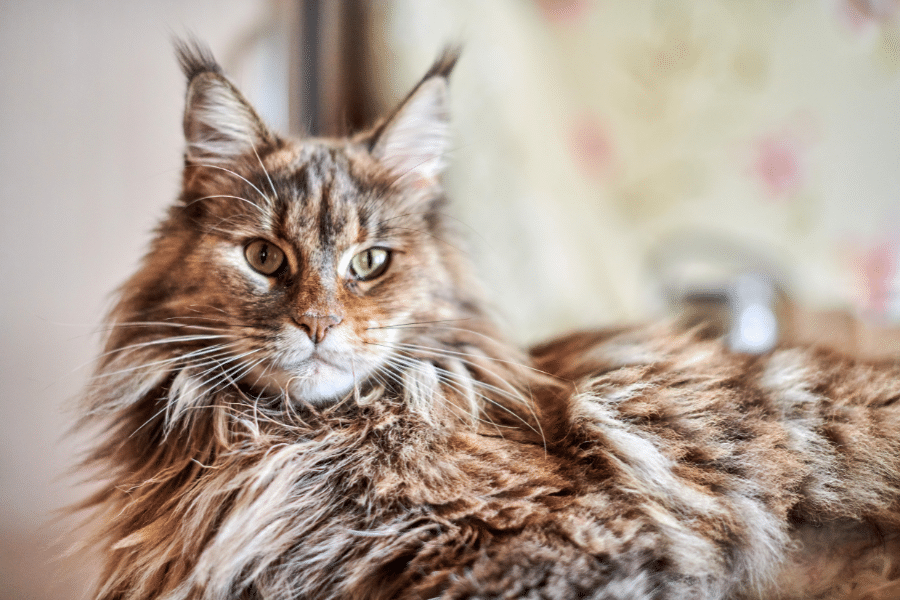
As cats grow older, their nutritional needs can change along with their activity level, body condition, digestion, and overall health. A senior cat that once maintained a healthy weight may begin losing muscle, while another may become less active and gain extra weight. Choosing the right diet is an important part of senior cat nutrition, but there is no single food that is best for every older cat. At The Highlands Veterinary Hospital, Sparta, NJ, veterinary guidance can help you choose food based on your cat’s age, body condition, lifestyle, and health needs. This guide explains what older cats need from their diet, how feeding habits may change with age, and which signs should prompt a conversation with your veterinarian.
What Is the Best Nutrition for Senior Cats?
The best nutrition for a senior cat provides appropriate calories, high-quality nutrients, adequate hydration, and enough protein to help maintain healthy muscle. The right diet also depends on the individual cat’s body condition and any medical concerns identified by a veterinarian.
Senior cats are not all the same. One older cat may need help maintaining weight, while another may need fewer calories because activity has decreased. Some cats may also require dietary adjustments because of changes affecting their kidneys, digestive system, teeth, or other parts of the body.
When choosing food, consider:
- Your cat’s current body weight
- Muscle condition
- Activity level
- Appetite
- Digestive tolerance
- Dental health
- Existing medical conditions
- Your veterinarian’s recommendations
A food labeled for senior cats can be a useful starting point, but the label alone does not tell you whether it is appropriate for your individual pet. Your veterinarian can help you determine whether the diet meets your cat’s specific needs.
Why Does Nutrition Matter More as Cats Age?
Aging can bring gradual changes that are easy to miss. Older cats may become less active, sleep more, or eat slightly differently. At the same time, maintaining healthy muscle becomes increasingly important.
Weight changes are another concern. Carrying excess weight can put additional stress on joints and make movement harder. On the other hand, unexplained weight loss may indicate that something is affecting your cat’s health.
Good nutrition supports several important areas of an older cat’s life:
- Healthy body condition: Appropriate calorie intake helps prevent unwanted weight gain or loss.
- Muscle maintenance: Adequate protein and overall nutrition support lean body tissue.
- Energy: Balanced nutrition provides fuel for normal daily activity.
- Digestive health: A diet your cat tolerates well can support comfortable digestion.
- Hydration: Water intake becomes especially important as cats age.
- Overall wellness: A suitable diet supports the body’s normal functions.
Nutrition cannot prevent every age-related condition, but it is an important part of caring for an aging cat.
How Much Should a Senior Cat Eat?
There is no universal portion size for every senior cat. The appropriate amount depends on factors such as weight, activity, body condition, metabolism, food type, and health status. Start with the feeding guidance provided for the food, then adjust with your veterinarian’s help if your cat is gaining or losing weight. Measuring meals instead of leaving unlimited food available can make changes easier to notice. Watch your cat’s body condition rather than focusing only on the number on the scale. A cat can lose muscle while maintaining a similar body weight, so changes in the back, hips, shoulders, and overall shape are worth monitoring. For example, an older indoor cat that spends much of the day sleeping may need fewer calories than a similarly sized cat that remains highly active. Simply feeding the same amount throughout life may eventually lead to unwanted weight gain. Regular veterinary examinations can help identify these gradual changes before they become major problems.
Should Senior Cats Eat More Protein?
Protein is an important nutrient for maintaining muscle, but the right amount depends on the individual cat. Older cats can experience changes in muscle mass, so providing appropriate nutrition is important.
However, more protein is not automatically better for every senior cat. A veterinarian may recommend a specific dietary approach if your cat has a diagnosed medical condition that affects nutrition.
The quality and digestibility of the overall diet also matter. Your cat needs a balanced food that provides appropriate levels of protein, fats, vitamins, minerals, and calories.
Avoid making major dietary changes based only on advice from social media or pet food marketing. A diet that works well for one senior cat may not be appropriate for another.
If your cat has a known medical condition, discuss dietary changes with your veterinarian before switching foods. Sudden changes can also upset the digestive system.
How Can You Encourage an Older Cat to Eat and Drink?
Some senior cats become more selective about food. Dental discomfort, reduced appetite, stress, changes in smell, or an underlying illness can all affect eating habits.
You can make meals easier by:
- Offering food in a quiet area
- Keeping food and water bowls clean
- Providing fresh water regularly
- Feeding consistent meals
- Avoiding sudden diet changes
- Discussing appetite changes with your veterinarian
- Monitoring how much your cat actually eats
Some cats prefer wet food, while others strongly prefer dry food. Food texture and smell can also influence appetite.
If your cat suddenly stops eating, do not assume it is simply becoming picky with age. A significant appetite change can be a sign that something is wrong and deserves veterinary attention.
How Do Veterinarians Assess a Senior Cat’s Nutritional Needs?
A veterinarian looks at more than your cat’s food brand. The assessment may include weight, body condition, muscle condition, appetite, activity, dental health, and other signs of health. Bloodwork or other testing may be recommended when there are concerns about an underlying condition. These results can help determine whether dietary changes or additional treatment may be appropriate.
Consider an older cat that has slowly lost weight over several months but still seems interested in food. During an examination, the veterinarian notices reduced muscle along the back and discusses the cat’s eating habits with the owner. Further evaluation helps determine whether the weight change is simply related to aging or whether an underlying health concern needs attention. That distinction matters because changing food alone may not solve unexplained weight loss.
What Feeding Mistakes Should Senior Cat Owners Avoid?
Good intentions can sometimes lead to feeding problems. Giving too many treats, changing foods frequently, or assuming an older cat needs fewer calories without checking body condition can all create issues.
Try to avoid:
- Frequent unplanned diet changes
- Excessive treats
- Free-feeding without monitoring weight
- Homemade diets without veterinary nutrition guidance
- Ignoring gradual weight loss
- Assuming appetite changes are normal aging
- Choosing supplements without discussing them with a veterinarian
Treats should remain a small part of your cat’s overall intake. If your cat has a medical condition, even seemingly harmless treats may need to be considered as part of the overall dietary plan.
Consistency makes it easier to spot changes. When you know how much your cat normally eats, drinks, and weighs, unusual changes become easier to recognize.
When Should You Talk to a Vet About Your Senior Cat’s Diet?
A dietary discussion is especially important when an older cat experiences unexplained changes in weight, appetite, thirst, digestion, or energy.
Contact your veterinarian if you notice:
- Unexplained weight loss or gain
- A sudden change in appetite
- Repeated vomiting or diarrhea
- Increased thirst
- Changes in eating habits
- Difficulty chewing
- Noticeable loss of muscle
- Significant changes in activity
- Trouble maintaining a healthy body condition
Do not wait for an older cat to become obviously ill before asking about changes. Cats are skilled at hiding discomfort, and subtle changes may be the first clue that something deserves attention.
Conclusion
Good senior cat nutrition is not about finding one perfect food for every older cat. It is about providing balanced nutrition that fits your cat’s body condition, activity level, appetite, and individual health needs. Maintaining healthy weight and muscle, supporting hydration, and watching for changes in eating habits can all help you care for your aging companion.
At The Highlands Veterinary Hospital in Sparta, NJ, your veterinarian can help you evaluate your cat’s nutritional needs as those needs change over time. If your senior cat is losing weight, eating differently, or showing other unusual changes, schedule an examination rather than assuming the change is simply part of aging. A thoughtful nutrition plan can be an important part of keeping an older cat comfortable and active.
FAQs
Q1: What should senior cats eat?
A: Senior cats need a balanced diet that provides appropriate calories and nutrients for their individual needs. The ideal food depends on body condition, activity, appetite, and overall health.
Q2: How much should a senior cat eat each day?
A: Portion needs vary based on weight, activity, food type, and health. Your veterinarian can help determine whether your cat is receiving too many or too few calories.
Q3: Can senior cats lose weight because of poor nutrition?
A: Nutrition can contribute to weight changes, but unexplained weight loss may also have an underlying medical cause. A veterinarian should evaluate significant or ongoing weight loss.
Q4: Should I change my cat’s food when it becomes a senior?
A: Not necessarily. Some cats benefit from a dietary change, while others do well on their current balanced diet. Discuss the decision with your veterinarian based on your cat’s health and body condition.
Q5: When should I take my senior cat to the vet for eating problems?
A: Contact a veterinarian if your cat suddenly stops eating, has a persistent appetite change, loses weight, vomits repeatedly, or shows other unusual symptoms. Older cats can hide illness, so changes deserve attention.