
Spaying and neutering are some of the most important decisions pet owners can make for their dog or cat. These routine procedures help prevent unwanted litters, reduce the risk of certain diseases, and often improve long-term behavior and quality of life. Understanding the benefits, the best timing, and what recovery looks like can help you feel more confident about your pet’s care. In this guide, we’ll explain the key advantages of spaying and neutering, when veterinarians typically recommend these procedures, and what you can expect before, during, and after surgery.
What Is Spaying and Neutering?
Spaying is a surgical procedure performed on female pets to remove the ovaries and usually the uterus. Neutering refers to the procedure for male pets, where the testicles are removed. These surgeries are commonly performed in dogs and cats and are considered safe, routine veterinary procedures. Most pets recover quickly with proper care and monitoring.
Benefits of Spaying and Neutering
Spaying and neutering provide both medical and behavioral benefits for pets.
Health Benefits for Female Pets
Spaying can significantly reduce the risk of several serious health conditions, including:
- Uterine infections (pyometra)
- Mammary gland tumors
- Ovarian and uterine cancers
- Complications related to pregnancy and birth
Spaying before the first heat cycle often provides the greatest protection against mammary cancer in dogs and cats.
Health Benefits for Male Pets
Neutering can help lower the risk of:
- Testicular cancer
- Prostate disease
- Certain hormone-related conditions
- Injuries caused by roaming or fighting
Male pets that are neutered are also less likely to wander away from home in search of a mate.
Behavioral Benefits
Hormones can strongly influence pet behavior. Spaying and neutering may help reduce:
- Urine marking
- Mounting behavior
- Aggression related to mating instincts
- Excessive roaming
- Loud heat-related vocalization in female cats
While these procedures are not a cure-all for behavior problems, they can help reduce hormone-driven habits.
Helps Control Pet Overpopulation
Animal shelters across the United States continue to face overcrowding. Spaying and neutering help prevent accidental litters and reduce the number of homeless pets entering shelters each year.
When Should You Spay or Neuter Your Pet
The best age for spaying and neutering depends on your pet’s species, breed, size, and overall health.
Typical Timing for Cats
Most veterinarians recommend spaying or neutering cats around 4 to 6 months of age. Cats can reach sexual maturity surprisingly early, so early scheduling is important to prevent unplanned litters.
Typical Timing for Dogs
Dogs vary more based on breed and body size.
General guidelines include:
- Small-breed dogs: around 6 to 9 months
- Large-breed dogs: sometimes later, around 12 to 18 months
- Female dogs: timing may depend on heat cycles and breed-specific factors
Large-breed dogs may benefit from delayed procedures because hormones can influence bone and joint development. Your veterinarian can recommend the safest timing for your individual pet.
Factors That Influence Timing
Veterinarians consider several factors before recommending surgery timing:
- Breed and expected adult size
- Existing medical conditions
- Lifestyle and environment
- Risk of accidental breeding
- Behavioral concerns
- Overall growth and development
Every pet is different, so personalized veterinary guidance is important.
What Happens During the Procedure
Spaying and neutering are performed under general anesthesia.
Before surgery, your veterinarian may recommend:
- A physical exam
- Blood testing
- Temporary fasting before anesthesia
- Medication review
During the procedure:
- Your pet is carefully monitored
- Pain medication is provided
- Sterile surgical techniques are used
- Most procedures are completed within a few hours
Many pets go home the same day.
What to Expect After Surgery?
Recovery is usually smooth, but pets need rest and supervision during healing.
Common Recovery Expectations
Your pet may experience:
- Mild grogginess after anesthesia
- Lower energy for a day or two
- Temporary decrease in appetite
- Mild swelling near the incision site
These symptoms are generally normal during early recovery.
Recovery Tips for Pet Owners
To help your pet heal safely:
- Restrict running and jumping for 10 to 14 days
- Prevent licking or chewing at the incision
- Give medications exactly as prescribed
- Keep the incision clean and dry
- Attend recommended follow-up visits
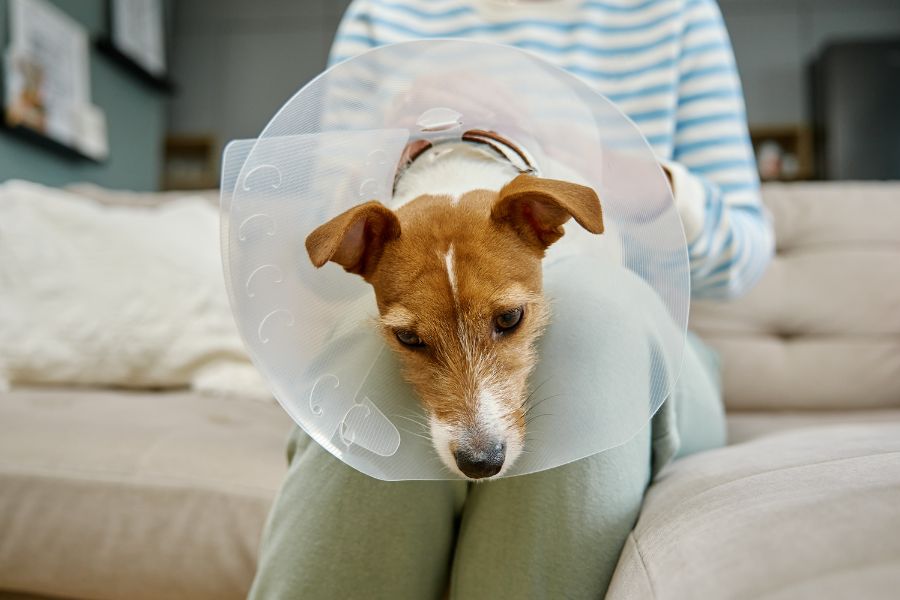
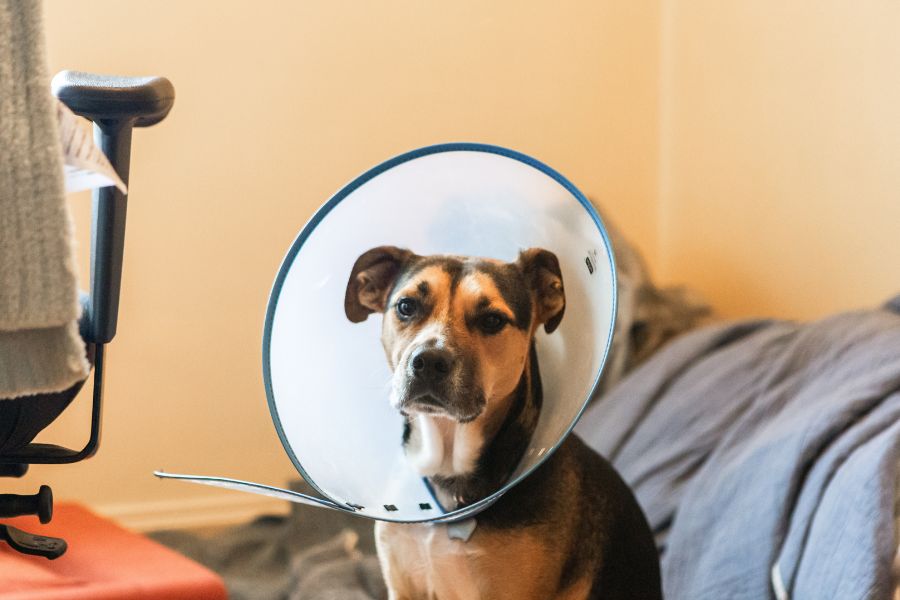
Many pets wear an Elizabethan collar (cone) or recovery suit to protect the surgical site.
Signs You Should Call Your Vet
Contact your veterinarian if you notice:
- Bleeding or discharge from the incision
- Severe swelling
- Loss of appetite lasting more than 24 hours
- Vomiting or diarrhea
- Lethargy that worsens
- Difficulty urinating
Prompt attention can prevent complications.
Common Myths About Spaying and Neutering
There are still many misconceptions about these procedures.
“My pet will gain weight.”
Weight gain is more closely related to diet and activity level than surgery itself. Maintaining regular exercise and proper nutrition helps keep pets healthy after spaying or neutering.
“My female pet should have one litter first.”
There is no medical benefit to allowing a pet to have a litter before being spayed.
“Neutering changes personality.”
Neutering does not remove your pet’s personality. Most pets remain playful, affectionate, and active after recovery.
Are There Risks
Like any surgical procedure, spaying and neutering carry some risks. However, complications are uncommon when surgery is performed by an experienced veterinary team.
Possible risks may include:
- Reaction to anesthesia
- Infection
- Minor bleeding
- Delayed healing
Pre-surgical exams and modern monitoring significantly improve safety.
Preparing Your Pet for Surgery
You can help your pet have a smoother experience by preparing ahead of time.
Before Surgery
- Follow fasting instructions carefully
- Bring updated medical information
- Ask questions about recovery and medications
- Prepare a quiet recovery area at home
After Surgery
- Limit activity
- Monitor the incision daily
- Offer soft bedding and comfort
- Keep children and other pets calm around the recovering pet
Most pets return to normal routines within two weeks.
Long-Term Benefits for Your Pet
Spaying and neutering can contribute to a healthier and more stable life for many pets. These procedures often reduce medical risks, prevent stressful reproductive behaviors, and support responsible pet ownership. Early planning with your veterinarian near you at a veterinary clinic in Sparta ensures your pet receives care at the right stage of life.
Conclusion
Spaying and neutering are safe, routine procedures that offer important health and behavioral benefits for dogs and cats. Understanding the right timing, recovery process, and long-term advantages can help pet owners make informed decisions with confidence. If you have questions about the best time to spay or neuter your pet, contact The Highlands Veterinary Hospital in Sparta, NJ, to schedule an appointment and discuss a personalized care plan for your pet.
FAQs
Q1: What is the best age for spaying and neutering pets?
Ans: Most cats are spayed or neutered around 4 to 6 months old, while dogs may vary based on breed and size. Your veterinarian can recommend the safest timing for your pet.
Q2: How long does it take a pet to recover from spaying or neutering?
Ans: Most pets recover within 10 to 14 days. Mild tiredness is normal during the first few days after surgery.
Q3: Is spaying or neutering painful for pets?
Ans: Pets receive anesthesia and pain medication during and after surgery to minimize discomfort. Most recover comfortably with proper post-operative care.
Q4: Will neutering calm my dog down?
Ans: Neutering may reduce hormone-related behaviors such as roaming, mounting, and some forms of aggression, but personality and training still play important roles.
Q5: Can older pets still be spayed or neutered?
Ans: Yes, many older pets can safely undergo spaying or neutering after a veterinary evaluation. Pre-surgical testing helps determine overall health and surgical safety.