

Pets are naturally curious, and they do not know which substances are safe to eat or touch. A dropped pill, an open container, or medication left on a counter can become a serious problem in a matter of minutes. Drug toxicity in pets can affect the nervous system, digestive tract, heart, breathing, and other body functions, depending on the substance and exposure. At The Highlands Veterinary Hospital, Sparta, NJ, veterinary care can help determine how serious an exposure may be and what steps are appropriate. Recognizing warning signs and acting quickly can make a meaningful difference. This guide explains common signs of drug toxicity, what to do after a suspected exposure, how veterinarians evaluate affected pets, and when urgent care is needed.
What Are the Signs of Drug Toxicity in Pets?
Drug toxicity can cause a wide range of symptoms, and the signs depend on the substance, amount, timing, and individual pet. Common warning signs include vomiting, unusual sleepiness, agitation, weakness, loss of coordination, tremors, changes in heart rate, breathing problems, seizures, or collapse.
Some symptoms can appear mild at first but become more serious over time. That is why a known or suspected exposure should not be ignored simply because your pet initially appears normal.
Watch for:
- Unusual sleepiness or difficulty waking
- Restlessness, agitation, or confusion
- Loss of coordination or stumbling
- Vomiting or excessive drooling
- Tremors or muscle twitching
- Changes in breathing
- Weakness or unusual behavior
- Seizures
- Collapse or loss of consciousness
Cats may show different or more subtle signs than dogs. Hiding, becoming unusually quiet, refusing food, or moving differently can all be reasons to take a closer look. If you know your pet has swallowed or been exposed to a potentially harmful drug, contact a veterinarian even if symptoms have not started.
How Can Pets Be Exposed to Harmful Drugs?
Accidental exposure often happens at home. Pets may find medications on floors, counters, nightstands, purses, bags, or in open trash cans. Some pets may also chew containers because they smell interesting.
Exposure can happen through:
- Swallowing a medication or substance
- Chewing a container that held a drug
- Eating food or another product containing a harmful substance
- Contact with certain substances on the skin or coat
- Getting into an unsecured bag or trash can
Dogs are often willing to eat unfamiliar objects, while cats may be more likely to investigate items through chewing or licking.
Pet size also matters. A small amount that seems insignificant to a person can have a much greater effect on a small dog or cat.
Do not assume that an exposure is harmless because the amount appears small. The safest response is to contact a veterinary professional and provide as much information as possible.
Why Is Drug Toxicity Dangerous for Pets?
Pets process substances differently from people. Their body size, metabolism, age, existing health conditions, and medications can all influence how they respond to an exposure. Certain substances can interfere with the nervous system, while others may affect digestion, heart function, breathing, or other organs. Multiple effects can occur at the same time. Another concern is that symptoms may not always appear immediately. A pet can look normal after an exposure and later develop weakness, vomiting, changes in coordination, or other signs. This is especially concerning when an owner does not know exactly how much was swallowed. Trying to calculate the risk at home can lead to false reassurance. Veterinary professionals can consider the suspected substance, timing, amount, pet’s size, symptoms, and health history when determining the appropriate response.
What Should You Do If Your Pet Is Exposed to a Drug?
If you suspect your pet has swallowed or been exposed to a harmful drug, contact a veterinarian promptly. If severe symptoms are already present, seek urgent veterinary care rather than waiting for the situation to improve.
Gather as much information as possible before contacting the veterinary team.
Helpful information includes:
- The name of the suspected substance
- The approximate time of exposure
- The amount that may be missing
- Your pet’s weight and age
- Any packaging or container
- Other substances your pet could have accessed
- Symptoms you have noticed
Do not give your pet home remedies unless a veterinarian specifically tells you to do so. Do not induce vomiting unless a veterinary professional instructs you to, because vomiting is not appropriate for every poisoning situation.
If possible, prevent your pet from accessing any remaining substance while keeping yourself safe.
How Do Veterinarians Diagnose Drug Toxicity?
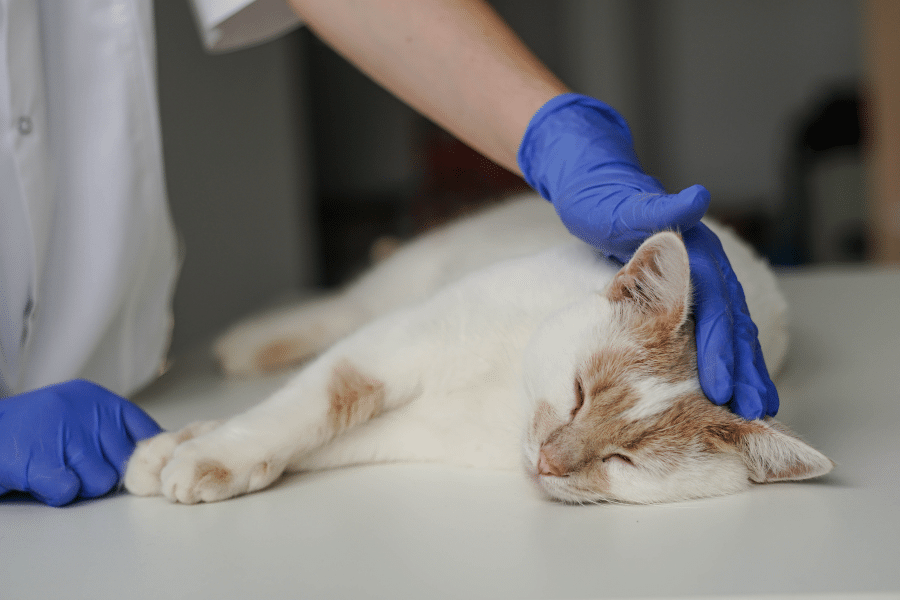
Veterinarians begin with the exposure history and a physical examination. They may evaluate your pet’s breathing, heart rate, temperature, hydration, mental awareness, coordination, and other vital signs.
Additional testing may be recommended depending on the suspected exposure and your pet’s condition. Bloodwork or other diagnostic tests can provide information about how the body is responding and whether supportive treatment is needed.
A realistic example would be a small dog whose owner discovers an opened medication container on the kitchen floor. The dog initially appears sleepy but begins stumbling while being transported to the veterinary hospital. The veterinarian reviews the possible exposure, checks the dog’s vital signs and neurologic function, and provides supportive care based on the dog’s symptoms rather than relying on assumptions about the amount swallowed.
This type of evaluation helps the veterinary team respond to the pet’s actual condition.
How Is Drug Toxicity Treated in Pets?
Treatment depends on the substance involved and the symptoms your pet develops. There is no single treatment that works for every toxic exposure.
Veterinary care may include:
- Close monitoring of vital signs
- Fluids
- Support for breathing or circulation
- Medication to control specific symptoms
- Temperature support
- Monitoring neurologic function
- Observation until the pet is stable
In some cases, veterinarians may consider removing the substance from the digestive tract. Whether this is appropriate depends on what was swallowed, when the exposure happened, and the pet’s current condition.
Some pets need only monitoring and supportive care, while others may require more intensive treatment.
The most important point is that treatment should be based on the specific exposure and the individual pet. Home treatment can be dangerous when the substance is unknown.
What Should You Watch for After a Possible Exposure?
If your veterinarian recommends monitoring your pet, pay close attention to changes in behavior and physical condition. Write down when symptoms begin and whether they become better or worse.
Important changes include:
- Increasing sleepiness
- New vomiting
- Difficulty walking
- Tremors
- Changes in breathing
- Sudden agitation
- Weakness
- Refusal to eat or drink
- Seizures
- Collapse
A pet that seems comfortable can still require additional evaluation if new symptoms develop.
Do not rely only on appetite. Some pets may continue eating despite an underlying problem, while others may stop eating early in the course of illness.
If you were told to monitor your pet and something changes, contact the veterinary team again.
How Can You Prevent Drug Exposure at Home?
Most accidental exposures can be reduced by making potentially harmful substances difficult for pets to access. Pets are surprisingly resourceful, so a high countertop may not be enough protection for some animals.
Use these habits:
- Keep medications inside closed cabinets.
- Do not leave pills on counters or nightstands.
- Secure purses, backpacks, and bags.
- Keep trash cans covered.
- Clean up dropped tablets immediately.
- Store substances away from pet food and treats.
- Keep visitors’ belongings out of your pet’s reach.
Remember that containers are not necessarily pet-proof simply because they are closed. A determined dog may chew through packaging. It is also helpful to teach children not to leave medications or other potentially harmful substances where pets can reach them.
When Should You Seek Urgent Care for Drug Toxicity?
Some signs require urgent care. If your pet is having trouble breathing, experiencing seizures, collapsing, or becoming difficult to wake, seek urgent veterinary care right away.
Other warning signs include:
- Severe loss of coordination
- Repeated vomiting
- Significant weakness
- Severe confusion or agitation
- Tremors
- Abnormal breathing
- Loss of consciousness
- Sudden collapse
Do not wait for symptoms to become severe if you know a potentially harmful exposure occurred. Early veterinary guidance can help determine whether your pet needs immediate evaluation or careful monitoring.
If you are uncertain about the seriousness of an exposure, calling a veterinary professional is safer than trying to judge the risk based on your pet’s current appearance.
Conclusion
Drug toxicity in pets can develop after accidental exposure to a substance that may seem harmless to people. Warning signs can include vomiting, unusual sleepiness, agitation, poor coordination, tremors, breathing changes, seizures, weakness, and collapse. Because symptoms can vary and may not appear immediately, suspected exposure should be taken seriously.
At The Highlands Veterinary Hospital in Sparta, NJ, your veterinary team can help evaluate a possible toxic exposure and determine what type of care your pet needs. Keep the suspected product or packaging available when possible, avoid unapproved home remedies, and contact a veterinarian promptly. If severe symptoms such as seizures, breathing difficulty, or collapse occur call us at 973-726-8080 or schedule an appointment to seek immediate veterinary help.
FAQs
Q1: What are the signs of drug toxicity in pets?
A: Signs may include vomiting, unusual sleepiness, agitation, confusion, poor coordination, tremors, weakness, breathing changes, seizures, or collapse. Symptoms vary based on the substance and the pet.
Q2: What should I do if my pet accidentally swallows a drug?
A: Contact a veterinarian promptly and provide information about the substance, possible amount, timing, and your pet’s symptoms. Do not induce vomiting or give home remedies unless a veterinary professional specifically instructs you to do so.
Q3: How is drug toxicity treated in dogs and cats?
A: Treatment depends on the exposure and the pet’s condition. Veterinary care may include monitoring, fluids, symptom control, breathing support, and other supportive measures.
Q4: How long does drug toxicity last in pets?
A: There is no universal recovery time. It depends on the substance, exposure, amount, the pet’s health, and how quickly treatment begins.
Q5: When should I seek urgent care for a poisoned pet?
A: Seek urgent veterinary care for seizures, breathing difficulty, collapse, loss of consciousness, severe weakness, or serious coordination problems. A known exposure should also be reported to a veterinarian even if your pet initially appears normal.