
When your pet visits the litter box repeatedly or strains during a bathroom break, it can be difficult to know whether they are constipated or dealing with another problem. Constipation can affect both dogs and cats, causing discomfort and making it difficult to pass stool. In some cases, it may result from mild dehydration or a change in routine. In others, it can point to a more serious health concern that needs veterinary attention. Constipation in pets should not be ignored, especially when your companion seems painful, stops eating, or repeatedly strains without producing stool. The Highlands Veterinary Hospital in Sparta, NJ, explains the common signs, possible causes, and situations when your pet may need urgent veterinary care.
What Are the Signs of Constipation in Dogs and Cats?
Constipation occurs when a pet has difficulty passing stool or passes stool less often than usual. The stool may be hard, dry, or small, and your pet may strain or make repeated attempts to go to the bathroom. If your pet repeatedly strains without producing stool, seems painful, vomits, or becomes weak, contact a veterinarian promptly.
The signs can look different in dogs and cats. A dog may repeatedly squat during walks, while a cat may visit the litter box several times without producing much stool. Some pets may pass only a few hard pieces, while others may not pass stool at all.
Watch for these common signs:
- Straining during bowel movements: Your pet may squat or push repeatedly with little result.
- Hard, dry stool: The stool may look smaller, firmer, or more difficult to pass.
- Less frequent bowel movements: Your pet may go longer than usual without passing stool.
- Discomfort: Your pet may whine, appear restless, or show signs of pain while trying to go.
- Reduced appetite: Some pets may eat less when they feel uncomfortable.
- Vomiting or low energy: These signs can occur with more serious digestive problems.
One important detail is that straining to urinate can look similar to straining to pass stool, especially in cats. A cat that repeatedly enters the litter box but produces little or no urine may have a urinary blockage, which is a life-threatening emergency. Do not assume the problem is constipation if you are unsure whether your pet is urinating normally.
What Causes Constipation in Pets?
Constipation can develop for several reasons, including dehydration, a low-fiber diet, reduced activity, or swallowing material that is difficult to pass. Older pets may also be more likely to develop constipation because of mobility problems or underlying health conditions. Identifying the cause is important because treatment depends on what is preventing normal bowel movements.
Common causes include:
- Dehydration: When a pet does not drink enough water, the body may absorb more moisture from the stool, making it harder to pass.
- Dietary changes: Sudden food changes or a diet that does not suit your pet’s needs may affect bowel movements.
- Low activity: Limited movement can contribute to slower bowel activity in some pets.
- Swallowed fur or foreign material: Cats may swallow fur while grooming, while dogs may eat grass, hair, fabric, or other objects.
- Pain or mobility problems: Arthritis or other painful conditions may make it difficult for a pet to position themselves comfortably.
- Underlying medical conditions: Certain digestive, nerve, metabolic, or pelvic problems can interfere with normal bowel movements.
In cats, repeated constipation can sometimes be linked to a condition called megacolon, in which the large intestine becomes enlarged and struggles to move stool effectively. In dogs, an enlarged prostate, pelvic injury, or a blockage may contribute to difficulty passing stool.
Occasional changes in bowel movements do not always indicate a serious condition. However, persistent or recurring constipation should be assessed by a veterinarian rather than managed repeatedly at home.
How Do Veterinarians Diagnose and Treat Constipation?
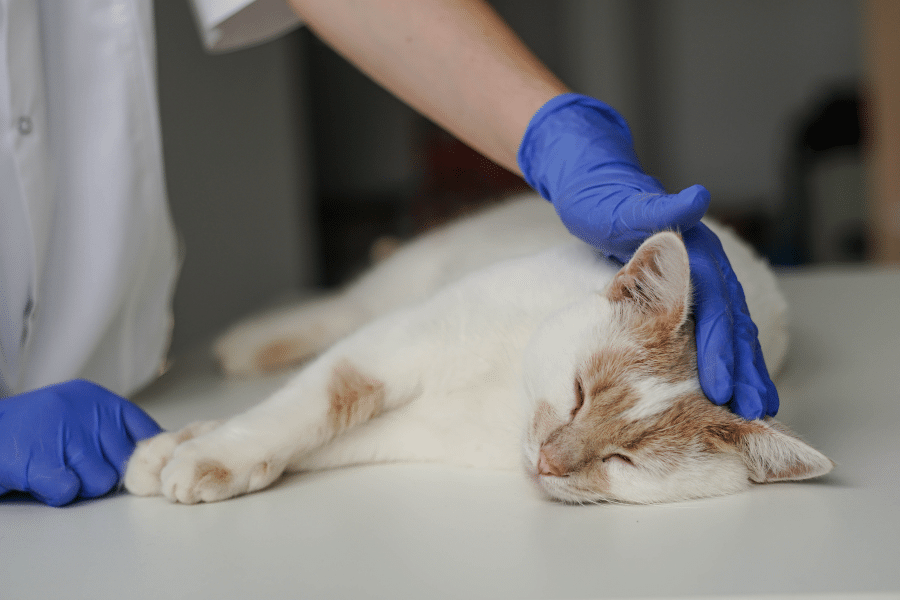
A veterinarian will review your pet’s symptoms, eating and drinking habits, activity level, medical history, and recent bowel movements. The examination may include checking the abdomen for discomfort or retained stool. Depending on the findings, the veterinarian may recommend blood tests, X-rays, or other tests to identify dehydration, an obstruction, or an underlying illness.
Treatment depends on the severity of constipation and its cause. Options may include:
- Fluid support: If your pet is dehydrated, the veterinarian may recommend fluids to help restore hydration.
- Dietary adjustments: A change in food or fiber intake may help some pets, depending on the underlying problem.
- Veterinary-prescribed medication: Certain medications can soften stool or help bowel movements, but the right choice depends on the diagnosis.
- Removal of retained stool: More serious cases may require an enema or removal of impacted stool under veterinary supervision.
- Treatment of the underlying cause: A blockage, painful condition, or other illness needs specific care.
Hypothetical example: A middle-aged cat begins visiting the litter box frequently but produces only small, hard stools. The owner also notices that the cat is eating less than usual. During an examination, the veterinarian finds evidence of retained stool and recommends further assessment before choosing treatment. The cat receives care based on the findings, and the owner receives guidance on hydration, diet, and monitoring bowel movements.
This example illustrates why repeated constipation deserves attention. A veterinarian can determine whether the issue is mild or whether a more serious condition is preventing normal bowel movements.
What Can You Do at Home to Help a Constipated Pet?
If your pet has mild constipation but is otherwise acting normally, you can take a few low-risk steps while contacting your veterinarian for advice. These measures may support normal bowel movements, but they are not a substitute for an examination when symptoms persist or worsen.
Consider these steps:
- Provide fresh water: Keep clean water available in several easy-to-reach places.
- Encourage gentle movement: Normal walks may help dogs maintain regular bowel habits if they are comfortable.
- Keep the litter box clean: For cats, a clean and accessible litter box makes it easier to monitor bathroom habits.
- Track bowel movements: Note when your pet last passed stool and whether the stool looked different from usual.
- Monitor food intake: Record changes in appetite, drinking, vomiting, or energy level.
Do not give human laxatives, mineral oil, suppositories, or enemas unless a veterinarian specifically directs you to do so. Some products can be dangerous for pets, and treatment that is appropriate for one cause of constipation may be harmful for another. Never force your pet to eat or drink.
If your pet continues to strain, seems painful, stops eating, or develops vomiting, contact your veterinarian promptly. If you suspect your pet swallowed a toy, bone, fabric, or another foreign object, seek veterinary advice instead of trying to make the material pass at home.
When Should You Visit an Urgent Care Vet for Constipation?
Constipation deserves prompt attention when your pet cannot pass stool, repeatedly strains, or appears uncomfortable. Seek urgent veterinary care if your pet has vomiting, significant abdominal pain, marked weakness, or a swollen belly. These symptoms may indicate a serious problem, including an intestinal obstruction or another condition that needs rapid treatment.
Contact a veterinarian promptly if:
- Your pet repeatedly tries to pass stool without success.
- Your pet has gone longer than usual without a bowel movement and seems uncomfortable.
- You notice blood in the stool or around the anus.
- Your pet refuses food or develops vomiting.
- Your pet has a history of recurring constipation.
- You suspect your pet has swallowed a foreign object.
Inability to urinate is an emergency, particularly in male cats. If your cat repeatedly strains in the litter box but produces little or no urine, do not wait to see whether the problem resolves. Seek urgent veterinary care immediately.
The timing of veterinary care depends on your pet’s symptoms, health history, and whether a blockage is possible. If you are uncertain whether the problem is constipation or something more serious, call The Highlands Veterinary Hospital at 973-726-8080 and describe exactly what you have observed.
Conclusion
Constipation can cause discomfort in dogs and cats, but it can also be a sign of dehydration, an obstruction, or another health problem. Watch for hard stools, repeated straining, reduced appetite, and changes in bathroom habits. Make fresh water available, monitor bowel movements, and avoid giving human laxatives or home treatments without veterinary guidance. Repeated straining, vomiting, abdominal pain, or an inability to pass stool needs prompt attention, while difficulty urinating requires emergency care. The Highlands Veterinary Hospital in Sparta, NJ, encourages pet owners to seek veterinary advice when their pet’s bowel habits change or discomfort continues. Early assessment can help identify the cause and guide safe, effective treatment.
Frequently Asked Questions
Q1: How long can a dog or cat go without pooping?
A: Bowel habits vary, but a noticeable change from your pet’s normal routine deserves attention. If your pet has gone longer than usual without passing stool, especially with straining, discomfort, or reduced appetite, contact your veterinarian. Do not wait if your pet appears ill or may have swallowed a foreign object.
Q2: Can dehydration cause constipation in pets?
A: Yes. When a pet does not get enough water, stool can become dry and difficult to pass. Keeping fresh water available may help support normal bowel habits, but persistent constipation still needs veterinary assessment.
Q3: Can I give my constipated pet a human laxative?
A: Do not give human laxatives, enemas, or other constipation remedies unless a veterinarian specifically recommends them. Some products can harm pets, and the correct treatment depends on the cause of the problem. Contact your veterinarian for guidance before giving medication.
Q4: Is constipation in cats more serious than in dogs?
A: Constipation can be serious in both cats and dogs. Cats may develop recurring constipation or megacolon, while dogs may have constipation linked to pain, foreign material, or an obstruction. Repeated straining in a cat can also indicate a urinary blockage, so make sure your cat is passing urine normally.
Q5: When should I take my pet to an urgent care vet for constipation?
A: Seek prompt veterinary care if your pet repeatedly strains without passing stool, seems painful, stops eating, or develops vomiting. A swollen abdomen, severe weakness, or suspected intestinal blockage warrants urgent assessment. If your pet cannot urinate, seek emergency veterinary care immediately.